Is pricing your Fort Lauderdale luxury home starting to feel more art than science? You are not alone. Waterfront features, dock capacity, and insurance realities make simple price-per-square-foot rules unreliable. In this guide, you will get a clear framework to price with confidence, align your strategy with your goals, and present your property to the right buyers. Let’s dive in.
What drives luxury pricing in Fort Lauderdale
Waterfront and boating factors
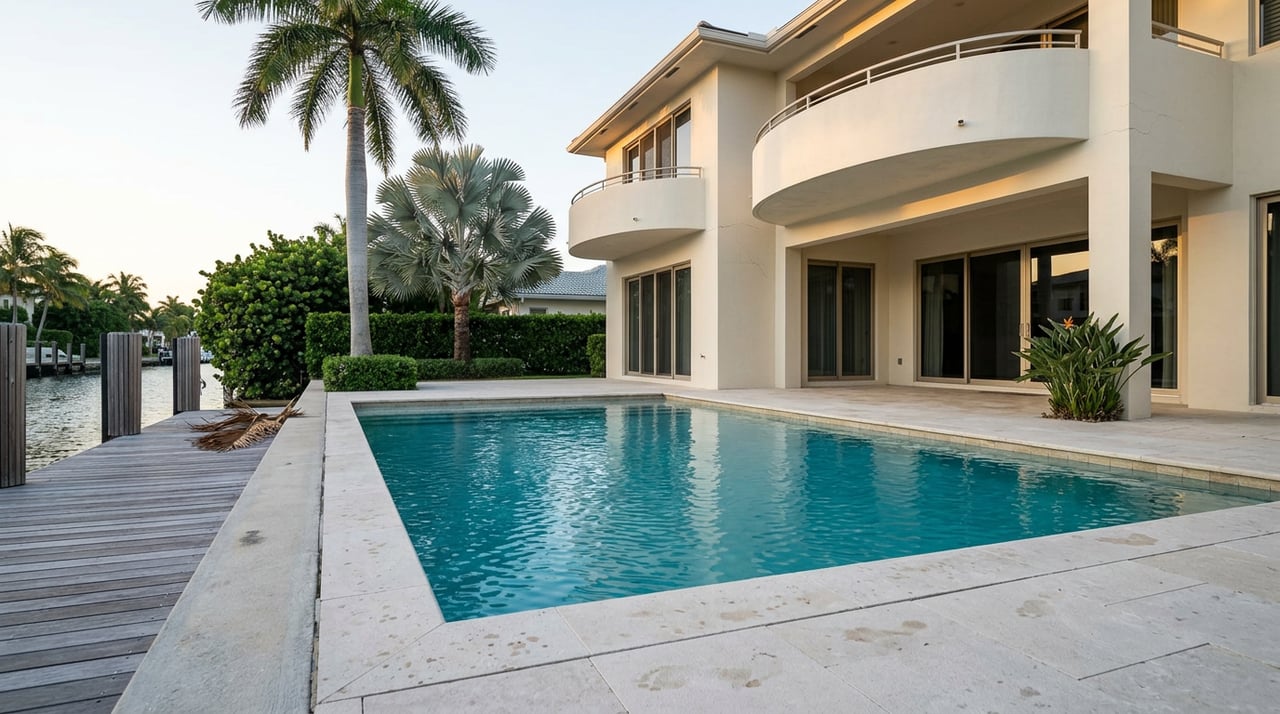
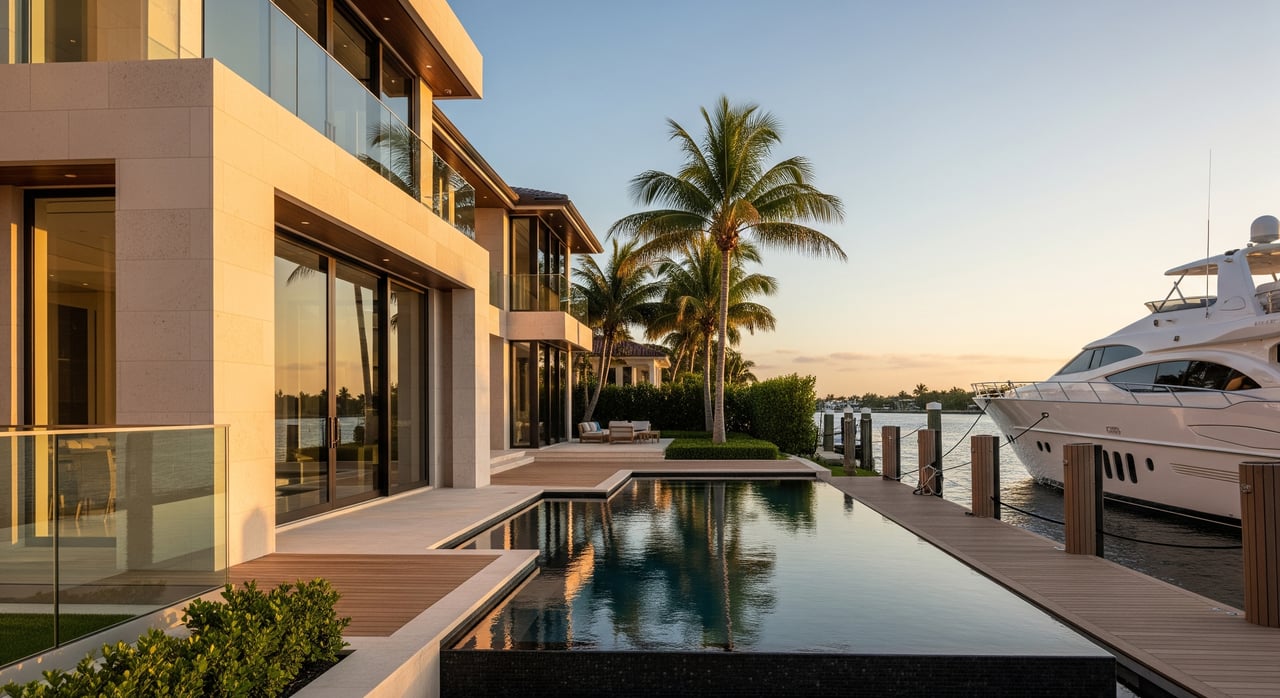
For luxury in Fort Lauderdale, water is the headline. Direct Atlantic, Intracoastal, and canal-front properties trade in different buyer pools and price tiers. Deep-water access, bridge clearance, and linear feet of waterfront can materially influence value, especially for larger vessels.
Orientation and view matter too. Unobstructed water vistas, sunrise or sunset exposure, and a protected, wake-free dock often justify premiums. The dock itself is a tangible asset. Permitted slip size, shore power, and seawall condition influence both price and buyer confidence.
Neighborhood context and privacy
Neighborhoods carry distinct expectations. Areas like Fort Lauderdale Beach and Harbor Beach capture oceanfront demand, while Las Olas Isles offers boating access close to downtown. Established communities such as Rio Vista, Victoria Park, and Coral Ridge deliver lot variety and lifestyle convenience. Island communities and gated enclaves like Sunrise Key attract buyers who prioritize privacy and controlled access. Keep your comp set aligned with the lifestyle and amenity profile your property delivers.
Risk, insurance, and regulations
Coastal risk is a pricing factor you can manage with transparency. Confirm your flood zone and elevation, then make documentation easy for buyers using the FEMA Flood Map Service Center. Buyers also value clarity on permits and improvements. Check dock and seawall records through the City of Fort Lauderdale’s zoning and permitting pages.
Insurance costs affect affordability and buyer pool. Work with a coastal-savvy broker and be prepared to share quote summaries. For context on coverage trends, the Insurance Information Institute offers neutral education. Property tax expectations also matter. Direct buyers to parcel data and assessments via the Broward County Property Appraiser, and note that homestead exemptions typically do not apply to second homes.
Build your valuation baseline
Start with the right comps
In luxury, exact matches are rare. Pull 12 to 24 months of closed sales and expand the radius when inventory is thin. Add 4 to 8 active and pending listings to understand the competition and buyer expectations. Normalize for time so you are not anchoring to a different market phase.
Adjust like a pro
Itemize adjustments rather than relying on a simple price-per-square-foot. Prioritize:
- Waterfront type and linear frontage, bridge clearance, dock size, and permitted slip capacity.
- View quality, exposure, privacy, and noise profile.
- Lot size and outdoor living: pool, guest house, landscape design, and parking.
- Condition and recency of high-end renovations; impact windows, roofing, HVAC, and smart-home systems.
- Architectural pedigree, materials, and security features that signal craftsmanship and discretion.
Cross-check with alternative metrics
Use complementary benchmarks to sanity check your range:
- Price per linear foot of water frontage for direct-water properties.
- Price per permitted slip for homes with serious dockage.
- Replacement cost for new or recently built custom homes, adjusted for depreciation.
- Income approach if short-term rental or multiunit potential is relevant.
Bring in specialists
A certified appraiser with Florida waterfront experience can validate adjustments. Find qualified professionals through the Appraisal Institute. On the waterfront side, a marine surveyor can assess dock, seawall, and depths, while coastal-experienced inspectors evaluate structure, roof, and systems. Insurance brokers focused on private flood and wind markets can outline realistic premium scenarios.
Choose a list-price strategy
Competitive pricing
Position near current market value to attract qualified buyers quickly. This approach can spark early activity and multiple-offer dynamics, especially if presentation is best in class. It suits sellers seeking a timely sale without sacrificing market-driven value.
Value-led pricing
A slight underpricing relative to your estimated range can accelerate showings and create urgency. In luxury, balance perceived value with the exclusivity your property commands. Use this sparingly and pair it with exceptional marketing to preserve brand and asset perception.
Aspirational and off-market options
Aspirational pricing can test the market when the home is truly unique, but expect longer days on market and a tighter buyer pool. If privacy is paramount, an off-market or pocket approach can work, though it may limit exposure to the highest bidders. Align the strategy with your timeline, privacy needs, and the property’s rarity.
Data and document checklist
Make pricing easier and negotiations smoother with a complete file:
- Deed, title history, survey, site plan, and elevation certificate.
- Parcel and assessment records from the Broward County Property Appraiser.
- Dock and seawall permits, recent inspections, and any marine survey.
- HVAC, roof, pool, and structural inspection reports.
- Renovation invoices, warranties, and a features list.
- HOA or condo documents, fee schedules, and special assessment history.
- Insurance quote summaries for wind and flood; claim history if available.
- Zoning, building, and waterfront regulations from the City of Fort Lauderdale.
Marketing that supports your price
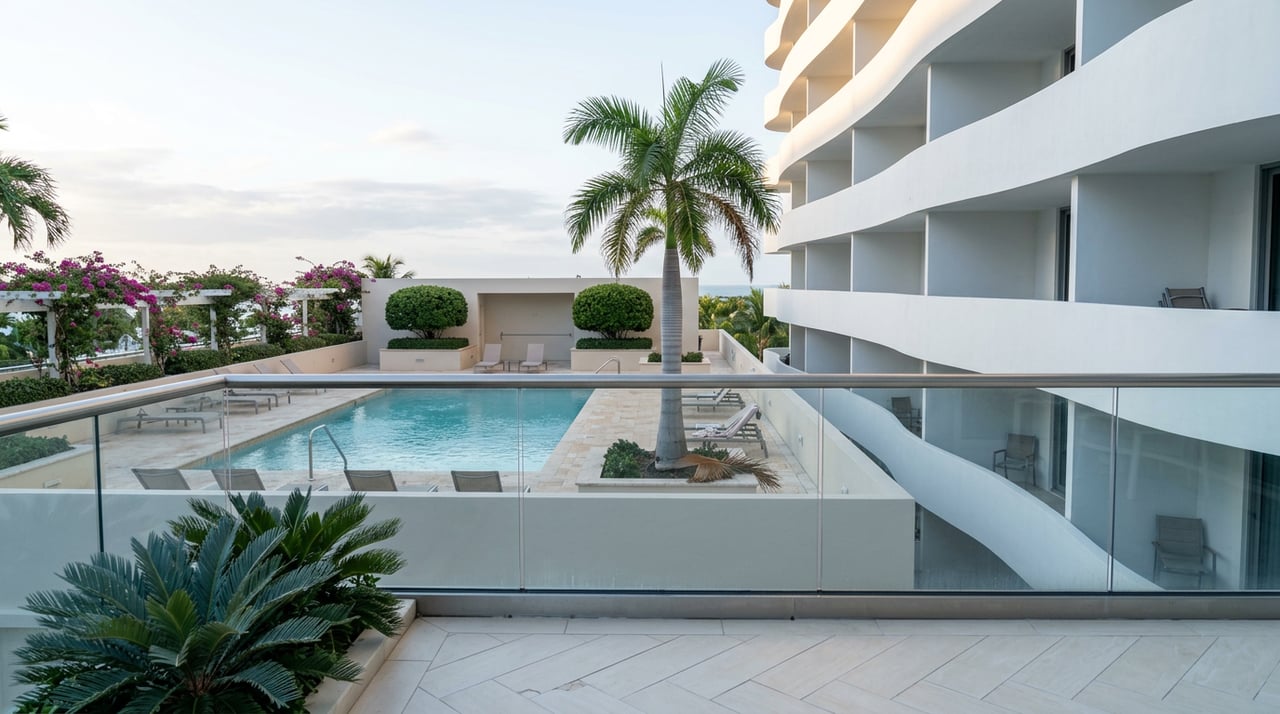
In luxury, presentation and distribution are part of pricing. Budget for high-end photography, drone and twilight shoots, cinematic video, and 3D tours. Professional staging and landscape refreshes often deliver outsized returns. International reach and targeted channels can broaden the buyer pool, which supports firmer pricing and negotiation.
Timeline, feedback, and negotiation
Expect a longer marketing horizon than entry-level segments. Set a review cadence every 30 to 60 days to evaluate traffic, feedback, and competitive moves. Beyond price, expect negotiations around closing timeline, inclusions or exclusions, and any dock or vessel-related considerations. Cash is common but not universal, so plan for inspection and title contingencies.
A sample pricing workflow
- Define your goals: speed, discretion, or maximum price within a defined timeline.
- Assemble 3 to 6 closed comps from the past 12 to 24 months, then add 4 to 8 active and pending listings.
- Normalize for time and size, then adjust for waterfront type, frontage, dock, view, lot, condition, and design.
- Cross-check with replacement cost and, if relevant, the income approach.
- Establish an aggressive-to-conservative price range and select your list-price strategy.
- Prepare marketing assets and showing protocols that match the pricing strategy.
- Launch, monitor inquiries, and collect feedback methodically.
- Reassess every 30 to 60 days and adjust pricing or presentation based on data.
Where to watch market signals
Track months of inventory and pricing trends to confirm your strategy. Statewide and regional snapshots from Florida Realtors and national trend pieces from the National Association of Realtors can help frame demand. Pair these with local insights and your comp set for a complete picture.
When you price with a disciplined process, your list number becomes a strategic tool rather than a guess. If you want a data-led valuation, polished global marketing, and discreet guidance tailored to your goals, connect with Roman Tschannen for a private consultation.
FAQs
How should I price a Fort Lauderdale luxury home with limited comps?
- Expand the radius and time window to 12–24 months, adjust item by item for waterfront, dock, view, lot, and renovations, then cross-check with waterfront-specific metrics and replacement cost.
What documentation helps justify my luxury list price?
- Provide a survey and elevation certificate, dock and seawall permits, inspection reports, renovation receipts, parcel records, HOA documents, and insurance quote summaries.
How do flood zones and insurance impact price in Fort Lauderdale?
- Flood zone, elevation, and seawall condition influence insurability and costs, which can narrow the buyer pool; mitigate with clear documentation and current quotes from coastal-savvy brokers.
Which inspections are essential for waterfront luxury properties?
- Commission marine and seawall surveys plus roof, structural, HVAC, pool, mold/moisture, and general coastal inspections by specialists experienced with salt and wind exposure.
How often should I review price once listed?
- Set a review every 30–60 days to assess showings, feedback, and competitive changes, then adjust pricing or marketing assets as the data indicates.