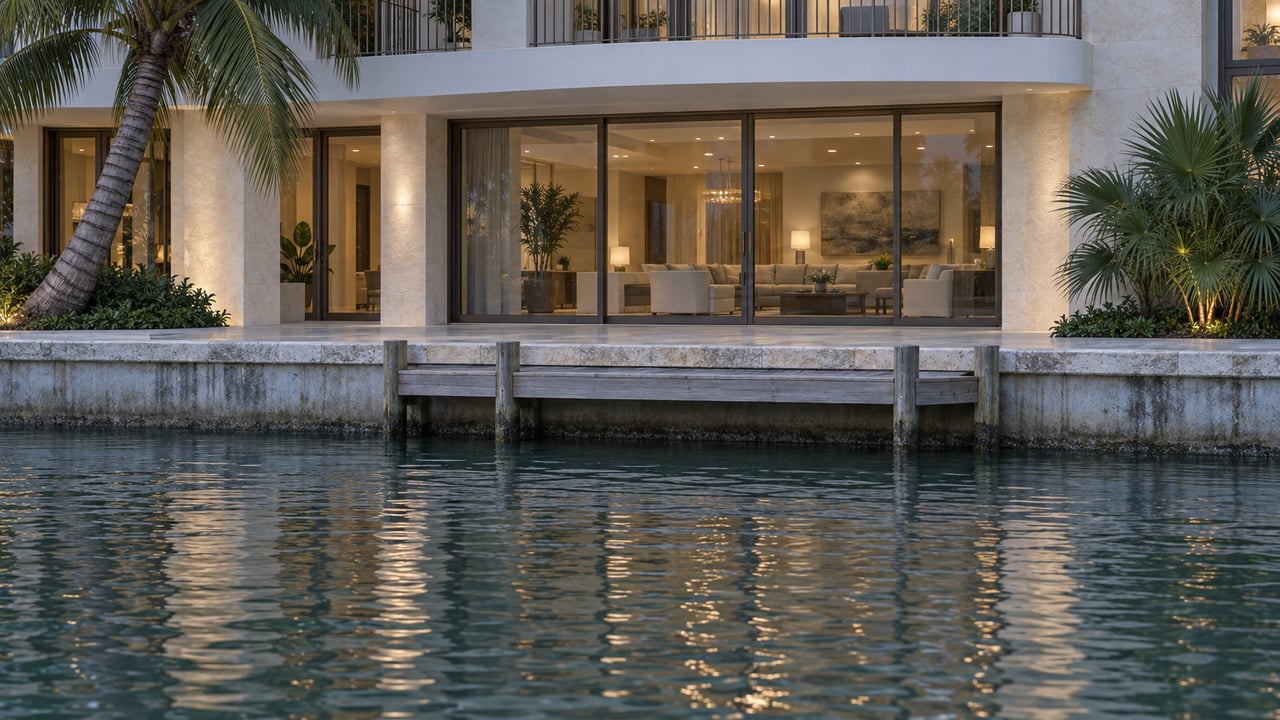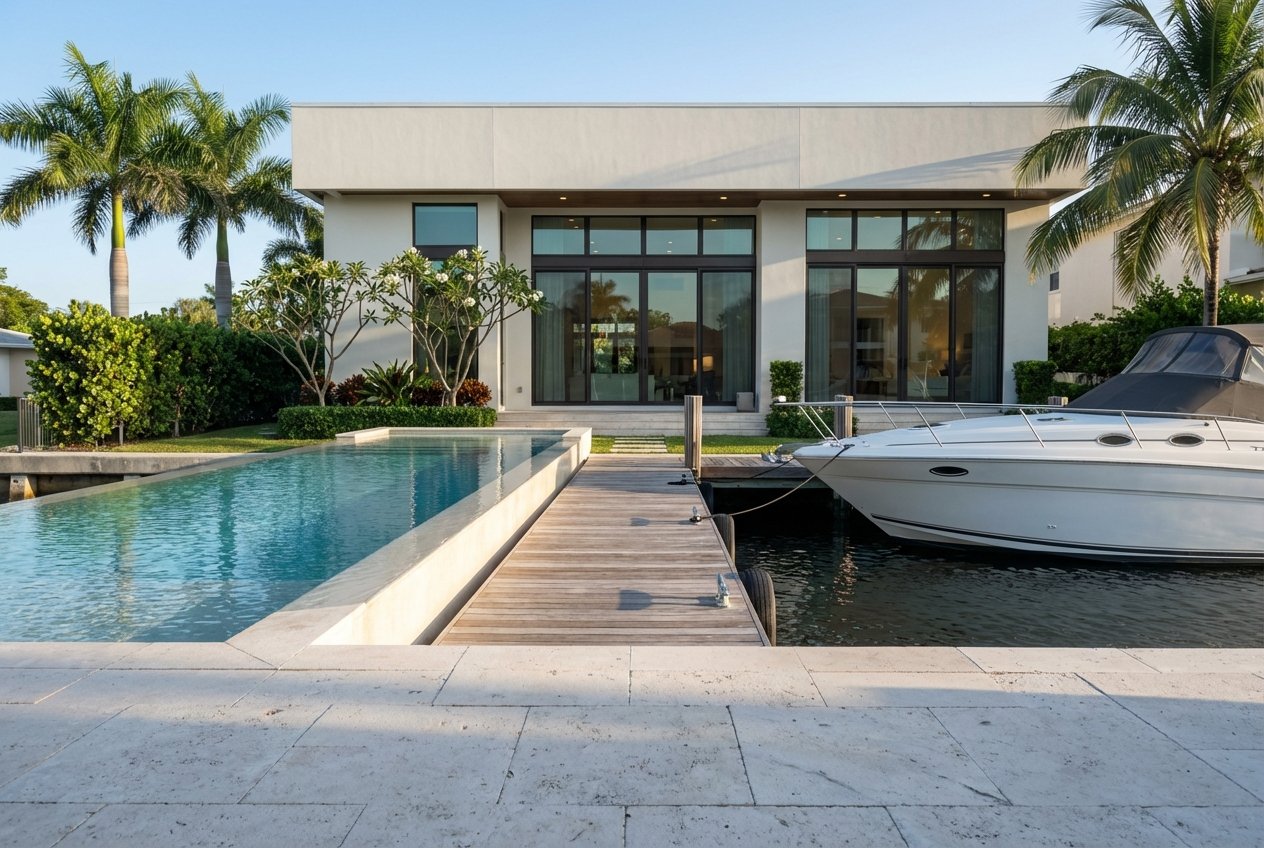
Imagine stepping from your backyard straight onto your boat, gliding along calm canals, and reaching the Atlantic in minutes. If that sounds like your ideal day, you’ll understand why Las Olas Isles is prized by boaters. You want reliable dockage, quick inlet access, and a neighborhood that keeps your boating life simple. In this guide, you’ll learn what makes the Isles special, from canal design and bridge realities to nearby marinas, dock‑and‑dine favorites, and smart buyer checks. Let’s dive in.
Why boaters choose Las Olas Isles
Las Olas Isles is a compact chain of finger isles just off Las Olas Boulevard in central Fort Lauderdale, known for single‑family waterfront homes and a boating‑first lifestyle. Many properties feature private dockage and direct Intracoastal connectivity, so your vessel is truly part of daily life. The Las Olas Isles Homeowners Association describes a community built around the water, with residents who enjoy seasonal or year‑round living close to beaches, dining, and culture. You get a quiet residential feel with a world of boating right outside your door. Learn more about the neighborhood’s setting.
Private docks and yacht‑friendly canals
One of the biggest draws is the prevalence of in‑backyard docks for single‑family homes. Where condos or townhomes appear, many offer assigned or shared slips, though ownership can be deeded, assigned, or leased. You should always confirm the exact slip arrangement in the listing and governing documents so you know what you own and control. For an overview of how slip types vary, see this neighborhood guide to Las Olas Isles.
The local canal system is designed to be wide and navigable compared with many inland waterways. Published descriptions note many Fort Lauderdale canals in this district are roughly 90 to 120 feet wide, with certain isles and basins noticeably wider. Depths vary by canal and dredging history, so request depth soundings at low tide and any as‑built or dredge records for the specific lot you are evaluating. For context on canal geometry and why it matters for vessel size and turning room, review this local overview of Las Olas canal characteristics.
Fast, simple routes to open water
From most central Las Olas docks, you have two common routes: run south along the Intracoastal to Port Everglades Inlet or head north toward Hillsboro Inlet. Boaters often cite single‑digit to mid‑teens minutes to Port Everglades depending on speed, slow/no‑wake zones, and whether you wait for a bridge opening. Always plan with your chartplotter’s distances and local speed limits to build an accurate profile for your vessel. For local run‑time context and route notes, see this yacht access and bridge overview for Las Olas Isles.
Bridge clearances and openings are part of every captain’s calculus. Larger yachts often request openings at the Clay E. Shaw/SE 17th Street Causeway bridge, which operates on a published schedule and accommodates significant air draft when open. Smaller bascule bridges, including the Las Olas Boulevard bridge, have lower closed clearances and their own opening rules. Before any transit, verify current bridge schedules, vertical clearances, and VHF channels. For a technical snapshot of the 17th Street Causeway, review this project summary.
Marinas, clubs, and service nearby
You live in the middle of one of the world’s best boating ecosystems, which makes life simpler when your plans change or your boat needs attention.
Full‑service marinas
Within minutes of the Isles, you’ll find deepwater and transient options at flagship marinas. Bahia Mar Yachting Center is a central hub for in‑water events and visiting yachts. Pier 66 serves as a long‑standing harbor for larger vessels and a Superyacht Village location during major events. Las Olas Marina adds a modern ICW‑front setting steps from downtown amenities, with slips and dockside access to retail and dining. You can keep a home slip at your residence and lean on nearby marinas for fuel, guest berths, or service overflow as needed.
Yacht clubs and community
For social, racing, and junior sailing programs, the private Lauderdale Yacht Club is a fixture of Fort Lauderdale’s yachting life. The club features marina slips, an active regatta calendar, and a full slate of member events. If you enjoy structured programming and a close‑knit community, Lauderdale Yacht Club is a name to know.
Refit and repair capacity
When you need complex work, haul‑out, or a full refit, local yards are a major advantage. Lauderdale Marine Center and other Fort Lauderdale facilities support everything from paint and metalwork to major systems overhauls for large yachts. The city operates as a regional refit hub with deep supply chains and specialized labor, which reduces downtime and logistics headaches. Explore the area’s capacity in this refit readiness overview.
Dock‑and‑dine and daily convenience
Boating is about the lifestyle, and Las Olas makes it easy. You can tie up for lunch or sunset at popular dock‑and‑dine spots like 15th Street Fisheries, which is a favorite for local skippers and guests. If you’re hosting out‑of‑town friends, dockside dining makes the day feel effortless. Get a feel for the scene by browsing 15th Street Fisheries.
On land, Las Olas Boulevard’s restaurants, cafés, galleries, and shops are close enough to walk after you secure the boat. That mix of quiet residential streets and a vibrant urban corridor is a defining part of the Isles’ appeal. You can enjoy a waterfront morning, refuel or rinse down in the afternoon, and be at dinner without getting in the car.
Annual highlight: FLIBS on your doorstep
Each fall, the Fort Lauderdale International Boat Show turns the city into the global center of yachting. The show spans in‑water venues like Bahia Mar, Pier 66, and Las Olas Marina, bringing the latest vessels, technology, and industry leaders to your backyard. Whether you are shopping for a tender, sea trialing a new build, or simply walking the docks, living in Las Olas puts you in the middle of it all. See what’s planned for this year on the FLIBS site.
Practical checks before you buy
Waterfront due diligence is different. A few focused steps will help you verify that a property fits your boat and your plans.
- Confirm slip ownership and type. Ask for documents that show whether a slip is deeded, assigned, or leased, especially in condo or townhome settings. A quick primer on local slip arrangements appears in this Las Olas Isles neighborhood guide.
- Inspect docks and seawalls. Order a recent dock and seawall inspection, and request documented depth soundings at low tide. When available, review dredge history and any as‑built drawings for the canal and lot to understand depth and turning room. For context on canal geometry and variability, see this local overview.
- Verify your route’s air draft. Map the path from the property to Port Everglades or Hillsboro Inlet, and check vertical clearances and opening schedules for bridges on your route. The 17th Street Causeway profile is a useful reference for larger vessels.
- Plan permits early if you’ll modify the shoreline. Many single‑family dock projects in Florida fall under DEP’s Environmental Resource Permit framework, with self‑certification options in some cases. Major dredge or fill typically requires a formal ERP and sometimes U.S. Army Corps involvement. Start with the DEP’s ERP e‑permitting portal to understand scope and timing.
- Quote flood insurance and collect elevation data. Check FEMA/NFIP flood zones, request any existing elevation certificates, and price policies early under FEMA’s Risk Rating 2.0. The City of Fort Lauderdale provides buyer‑friendly guidance on flood insurance and local resources.
- Identify service partners that fit your vessel. Confirm local yards, marinas, and technicians can accommodate your LOA, beam, draft, and project scope. Fort Lauderdale’s refit ecosystem, including Lauderdale Marine Center, can handle most levels of work. A broad view of capabilities appears in this refit hub overview.
Lifestyle snapshots
- Weekend hop: Cast off for a smooth ICW cruise to Port Everglades, jump offshore for a morning run, then return for a late lunch at a dock‑and‑dine favorite. You are back at your home slip with minimal logistics.
- Family day: Mix beach time with a short canal tour, then stroll Las Olas Boulevard for dinner and gelato. Boating and walkable dining keep everyone happy.
- Hosting friends: Arrange a transient slip for a visiting boat at a nearby marina, book a captain for an evening cruise, and finish with a waterfront meal. The local network makes it effortless.
Ready to explore standout waterfront options that fit your vessel and lifestyle in Las Olas Isles? Request a private consultation with Roman Tschannen for discreet, data‑driven guidance and access to on‑ and off‑market opportunities.
FAQs
How long from Las Olas Isles to the ocean?
- Most boaters estimate single‑digit to mid‑teens minutes to Port Everglades from a central Las Olas dock, depending on slow/no‑wake zones, speed, and any bridge openings; plan with your charted distances and vessel profile using this local access overview.
Can large yachts dock at Las Olas homes?
- Some canals and lots accommodate larger yachts, but limits depend on dock structure, depth, turning room, and air draft; many owners of very large vessels use nearby full‑service marinas and yards, so verify with surveys, soundings, and local managers before you buy.
Are there marinas and repair yards nearby?
- Yes; Bahia Mar, Pier 66, and Las Olas Marina are close, and Fort Lauderdale’s refit ecosystem, including Lauderdale Marine Center, supports haul‑out and complex work; explore capabilities in this refit hub overview.
What permits do I need to modify a dock?
- Florida DEP regulates docks, seawalls, and dredging under the Environmental Resource Permit framework; some single‑family docks qualify for self‑certification, while larger projects often require formal ERP and possibly U.S. Army Corps review; start at the DEP’s ERP e‑permitting page.
Do I need flood insurance for a Las Olas home?
- Check FEMA/NFIP flood zones, request elevation certificates, and price policies under Risk Rating 2.0; the City provides buyer guidance and resources on flood insurance.