Are you weighing a luxury condo in Pompano Beach against pricier options farther south? You want lifestyle, value, and clear numbers that hold up in any market. The right unit here can deliver strong enjoyment and rental performance, but only if you choose the right micro‑location, building, and rules. This guide gives you a practical framework to compare locations, evaluate associations, understand insurance and financing, and confirm rental realities. Let’s dive in.
Why Pompano Beach suits strategic buyers
Pompano Beach offers a lower entry price and, in many cases, a better value per square foot than comparable Fort Lauderdale Beach properties. Many buyers target newer mid‑ to high‑rise buildings or renovated towers that blend amenities with value. Demand benefits from tourism, marina access, recent public improvements to the beach and pier, and easy access to Fort Lauderdale and Miami.
Inventory ranges from boutique luxury towers built in the 2000s–2020s to updated 1980s–1990s concrete high‑rises and mid‑century beachfront buildings. Newer properties often deliver strong amenity stacks but come with higher monthly HOA fees. For investors, the math can work well if you balance purchase price, carrying costs, and realistic occupancy.
Choose your waterfront: key tradeoffs
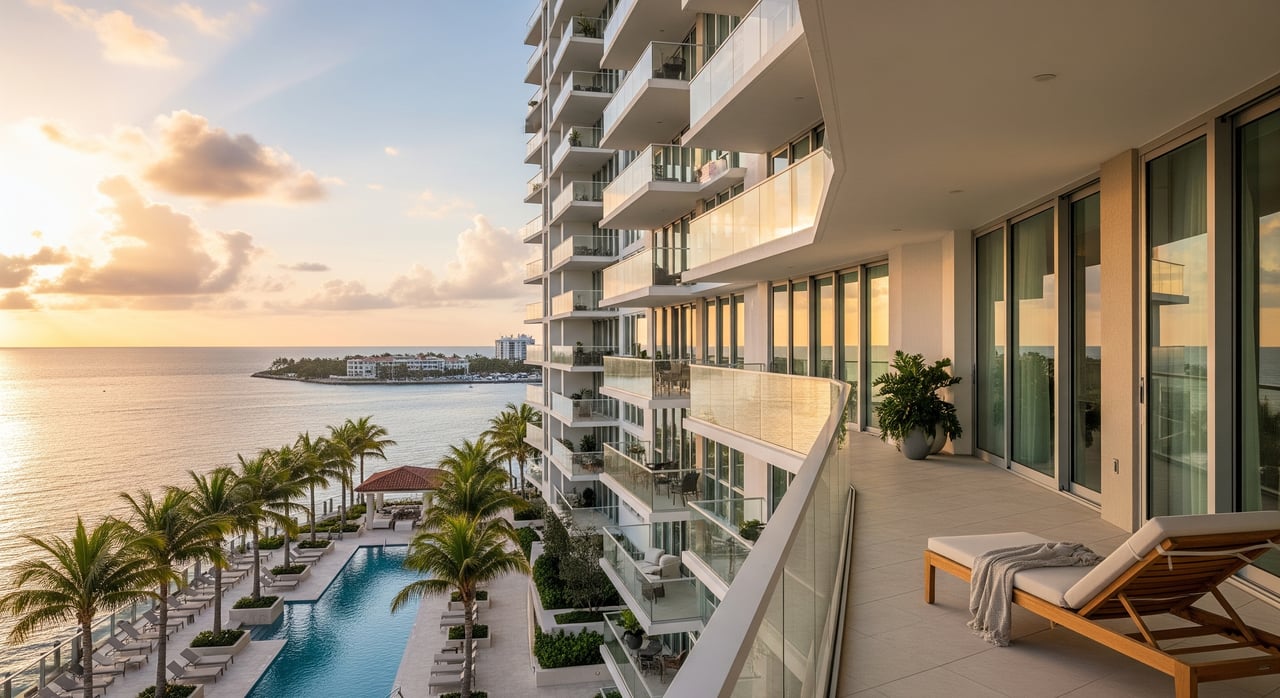
Beachfront condos
- Pros: direct sand access, premium ocean views, strong resale appeal, and higher short‑term rental rates where allowed. Walkability to beachfront dining and attractions is a plus.
- Cons: higher insurance and HOA costs due to wind and flood exposure, potential erosion and storm‑surge risk, and stricter building safety or recertification considerations for older towers. Purchase prices and rental restrictions can be higher than other locations.
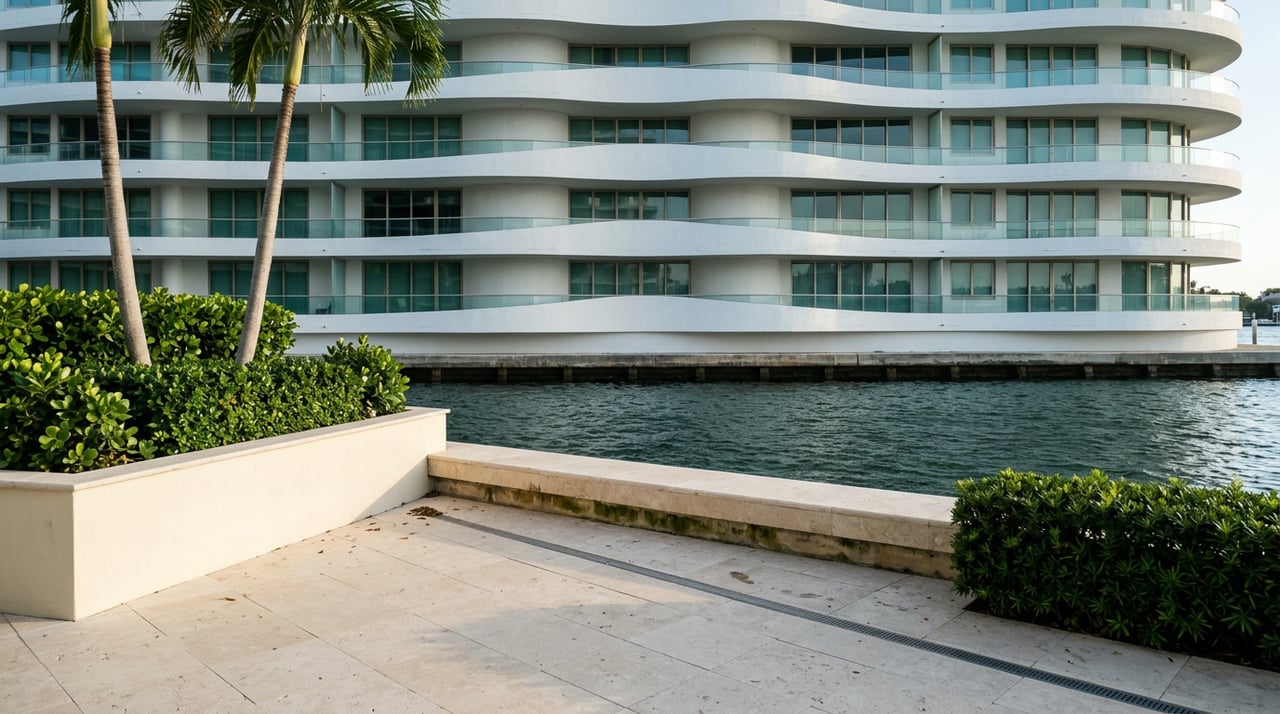
Intracoastal and canal locations
- Pros: often lower prices than direct oceanfront for similar finishes, quieter water views, and better protection from direct ocean surge in some areas. Some complexes include marina access or proximity to boating.
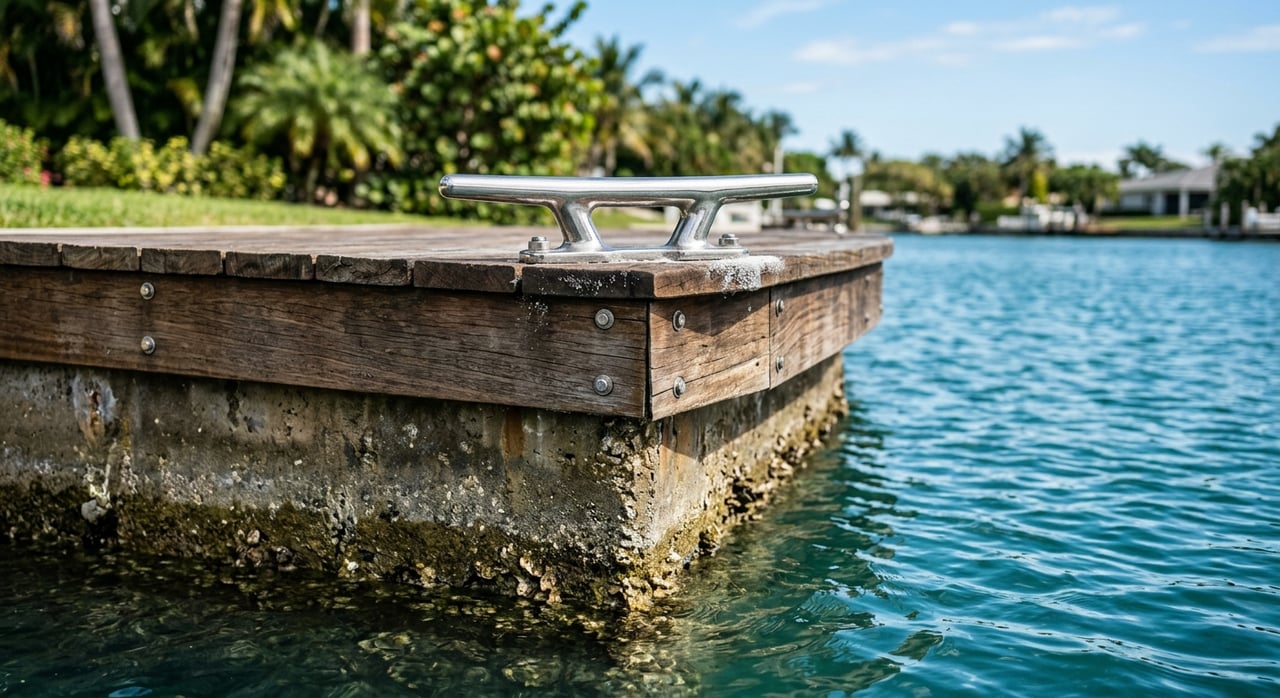
- Cons: water quality and maintenance can vary by canal, and boat traffic adds noise in some spots. Flood maps still matter for risk and insurance.
Near marina, downtown, and mixed‑use zones
- Pros: strong lifestyle appeal with restaurants and walkability, plus potential for year‑round rental demand beyond the winter season. Proximity to Pompano Marina and Hillsboro Inlet can enhance desirability. Ongoing redevelopment can lift values over time.
- Cons: less immediate beach access may trim premiums. Consider parking and traffic patterns when evaluating everyday convenience.
Elevation and resilience
Flood zone designations and baseline elevation directly affect insurance and long‑term risk. Coastal parcels can sit in V, AE, or other FEMA zones and may require flood coverage. Review flood maps, elevation certificates, and local resilience planning before you commit.
Amenity stacks and HOA fees
Newer luxury towers often feature full‑service amenities such as fitness centers, resort pools, valet, private beach services, and marina options. Expect higher HOA fees that cover maintenance, building insurance at the association level, staffing, amenities, and sometimes utilities like water or cable in common areas. In older or renovated buildings, fees can be lower but may rise if reserves are underfunded or major projects are due.
When you compare buildings, match the fee line items to your goals. For a rental‑focused purchase, model how HOA fees, expected insurance, and management costs affect net yield. For a second home, weigh how often you will use amenities against ongoing carrying costs.
Association and insurance due diligence
Financial health and reserves
Request the current budget, recent financial statements, reserve study, insurance policy summaries, board minutes for the last 12–24 months, any special assessments, rules and bylaws, litigation disclosures, and the rental registry if available. Low reserves or a recent pattern of special assessments can signal future capital calls. Confirm that the reserve study was completed by an independent professional and ask for the funded reserve ratio.
Insurance: master policy and HO‑6
Association insurance typically covers common areas and the building shell. Your HO‑6 policy covers interior finishes, contents, and loss assessments. In Florida, windstorm, wind‑only deductibles, and flood coverage are central to risk. Large deductibles or coverage gaps at the association level can translate into hefty special assessments after a storm. Review the building’s claims history and any non‑renewals or major premium hikes.
Structural safety and recertification
Older concrete towers can show deferred maintenance, including spalling, waterproofing issues, and garage concerns. After the 2021 Surfside incident, Florida tightened inspection, maintenance, and disclosure requirements for condominiums. Confirm local recertification milestones, obtain available engineering or inspection reports, and verify the status of any ongoing structural work.
Financing and warrantability
Lenders assess the building as carefully as they underwrite you. Projects with high investor ratios, unresolved litigation, inadequate reserves, or insurance problems may be considered non‑warrantable, limiting loan options or raising down payment and rate requirements. If you plan to use Fannie Mae, Freddie Mac, FHA, or VA financing, confirm project eligibility early with a lender experienced in Florida coastal condos. Pre‑clearing the building saves time and prevents financing surprises before you go under contract.
Rental rules, seasonality, and compliance
Many associations set minimum lease terms, caps on the share of rentable units, and waiting periods before a new owner can lease. Some prohibit short‑term rentals entirely. On top of association rules, the city can require registration, licensing, safety compliance, and transient rental tax collection for short‑term rentals. Always validate the association’s enforcement stance by requesting the rental ledger or registry.
South Florida’s rental demand is seasonal, with stronger occupancy and daily rates in winter and softer conditions in summer. If you are modeling a short‑term strategy, account for seasonal revenue, vacancy, and management costs. For longer‑term leases, compare local rents and vacancy with a Pompano‑savvy property manager and current MLS data. For taxes, plan for state, county, and local transient taxes on short‑term stays and standard income reporting for longer leases. A CPA familiar with Florida rentals can help optimize your structure.
Pompano vs Fort Lauderdale Beach: a quick take
Pompano Beach typically provides lower entry prices and lower price per square foot for similar views and finishes than Fort Lauderdale Beach, which can help net yields if occupancy and average daily rates are comparable. That said, premium beachfront and amenity‑rich buildings in Pompano can trade closer to Fort Lauderdale pricing. If you want newer construction and strong amenities without the top‑tier premium, Pompano is compelling. If your priority is a marquee address regardless of price, Fort Lauderdale Beach may remain the benchmark.
Strategic buyer checklist
Use this concise list to organize your due diligence before you make an offer:
- Association documents: budget, recent financials, reserve study, rules and bylaws, insurance certificates and summaries, 12–24 months of minutes, litigation disclosures, list of special assessments, rental registry or ledger.
- Building profile: year built, major past projects (roof, balconies, garage, waterproofing, elevators), any engineering inspections or recertifications, history of water intrusion or pipe replacements.
- Unit specifics: renovation history and warranties, prior disclosures, any water intrusion or mold claims, parking deed/assignment, storage details.
- Insurance reality: association master coverage limits, wind/hurricane deductibles, sublimits, claims history, unit‑level HO‑6 quotes, and whether flood insurance is required.
- Rental and compliance: minimum lease terms, caps, waiting periods, enforcement track record, city licensing and transient tax requirements.
- Financing: building warrantability, investor‑owner ratios, litigation status, reserve adequacy, and eligibility for your preferred loan program.
- Location risk: flood zone and elevation, sea‑level and surge exposure, canal conditions, and proximity to redevelopment or public works.
Sample scenarios to guide your search
- Investor prioritizing yield: Target Intracoastal or canal‑front buildings with flexible lease terms and stable association finances. Model seasonality, HOA fees, and insurance before writing offers.
- Second‑home buyer valuing convenience: Focus on beachfront or marina‑proximate towers with amenities you will actually use. Balance higher carrying costs against daily enjoyment and resale appeal.
When you approach Pompano Beach with a clear plan, you can secure a unit that aligns with your lifestyle and your numbers.
Ready to explore curated options and pressure‑test the details? Connect with Roman Tschannen for a private, data‑driven consultation tailored to your goals.
FAQs
What drives condo insurance costs in Pompano Beach?
- Wind and flood exposure, the association’s coverage limits and deductibles, building age and claims history, and your unit‑level HO‑6 coverage shape total premiums.
Are short‑term rentals allowed in Pompano Beach condos?
- It depends on each association’s rules and city requirements; confirm minimum lease terms, caps, waiting periods, and local licensing and tax obligations before you buy.
How do HOA fees affect investment returns?
- Monthly fees reduce net yield, so itemize what they cover and model them with insurance, seasonality, and management costs to estimate true cash flow.
What is a warrantable condo and why does it matter?
- Warrantable projects meet agency standards, enabling broader loan options and potentially better rates; non‑warrantable status can require larger down payments.
Beachfront vs canal: which holds value better?
- Beachfront units often command premiums for views and access, while canal and Intracoastal homes can offer better entry pricing and yield depending on building and rules.
What inspections should I do before closing on a condo?
- Obtain available engineering or recertification reports, review association minutes and reserve studies, and hire inspectors familiar with Florida coastal condominiums.