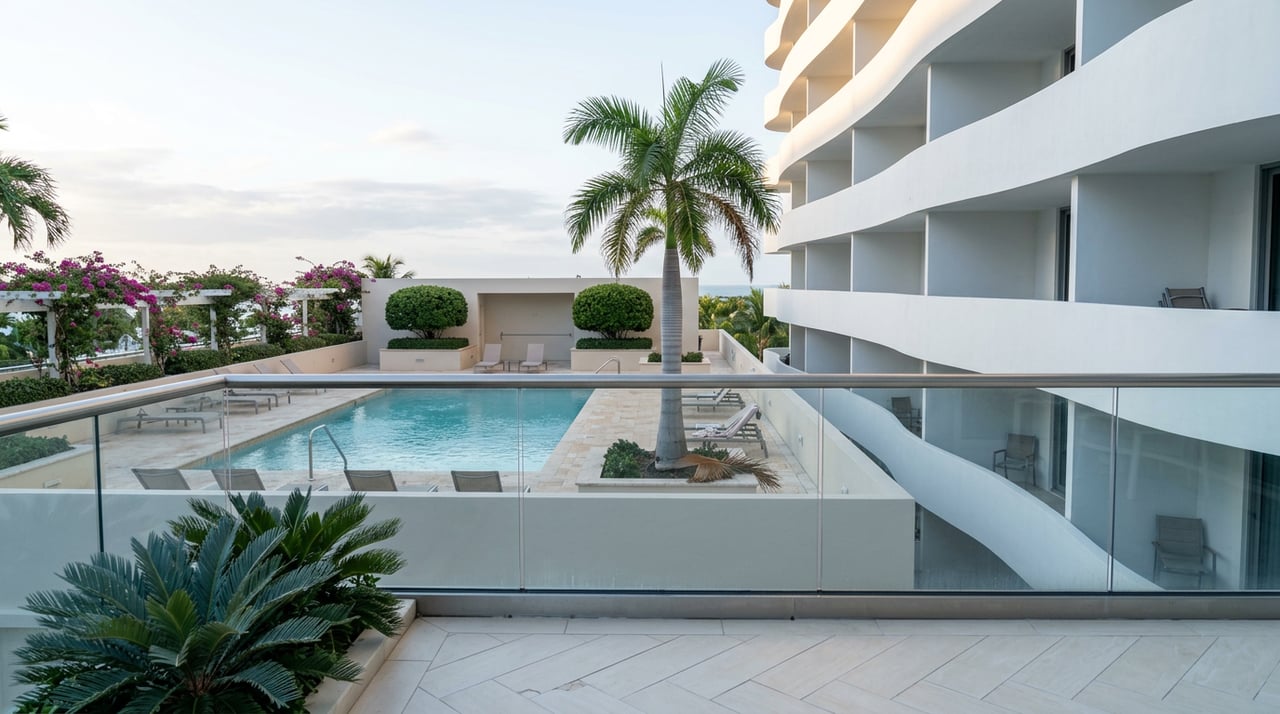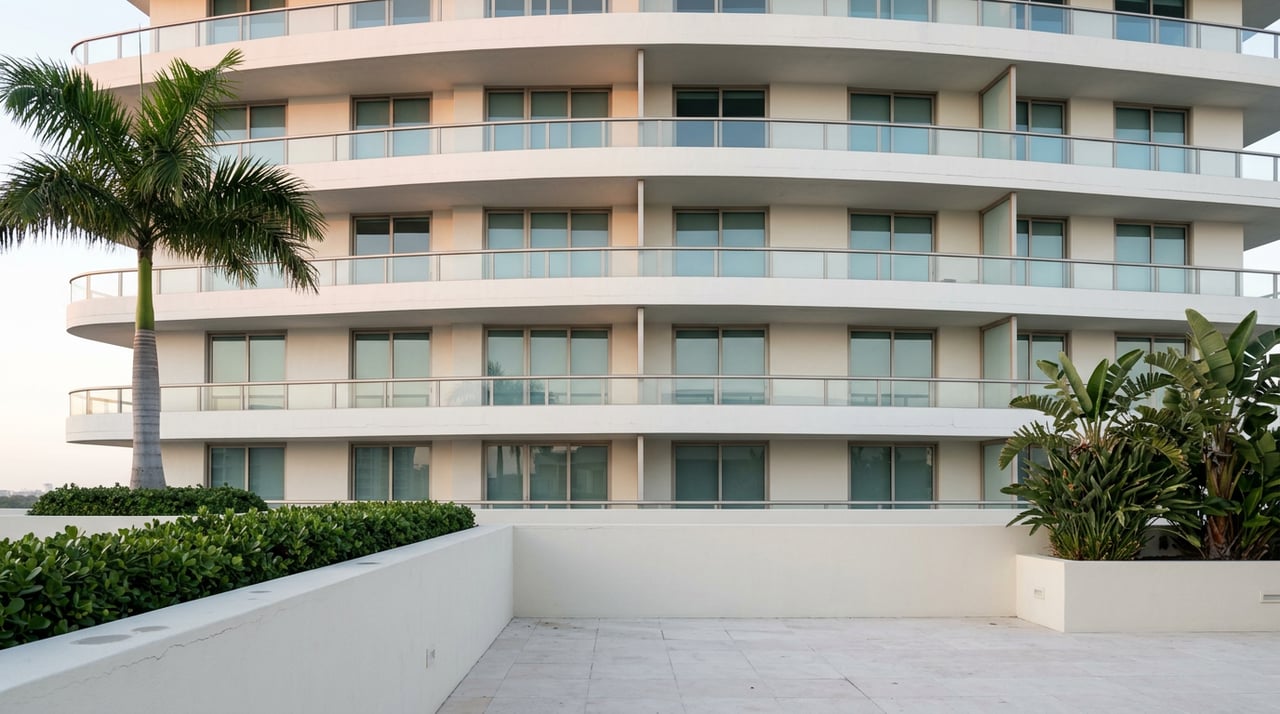
Deciding between a gleaming Las Olas tower and a quieter boutique condo? You want the views, access, and lock-and-leave ease without surprises on fees, rules, or building health. In this guide, you’ll learn how amenities, inspections, reserves, insurance, and rental rules differ between high-rise and boutique buildings in Fort Lauderdale’s Las Olas corridor. You’ll also get a practical checklist to make a confident choice. Let’s dive in.
What “high-rise” and “boutique” mean on Las Olas
High-rise typically refers to 20-plus story towers with 100 or more residences, staffed lobbies, valet or concierge, multiple elevators, and resort-style amenities. These towers concentrate panoramic views and on-site services that shape your lifestyle and costs.
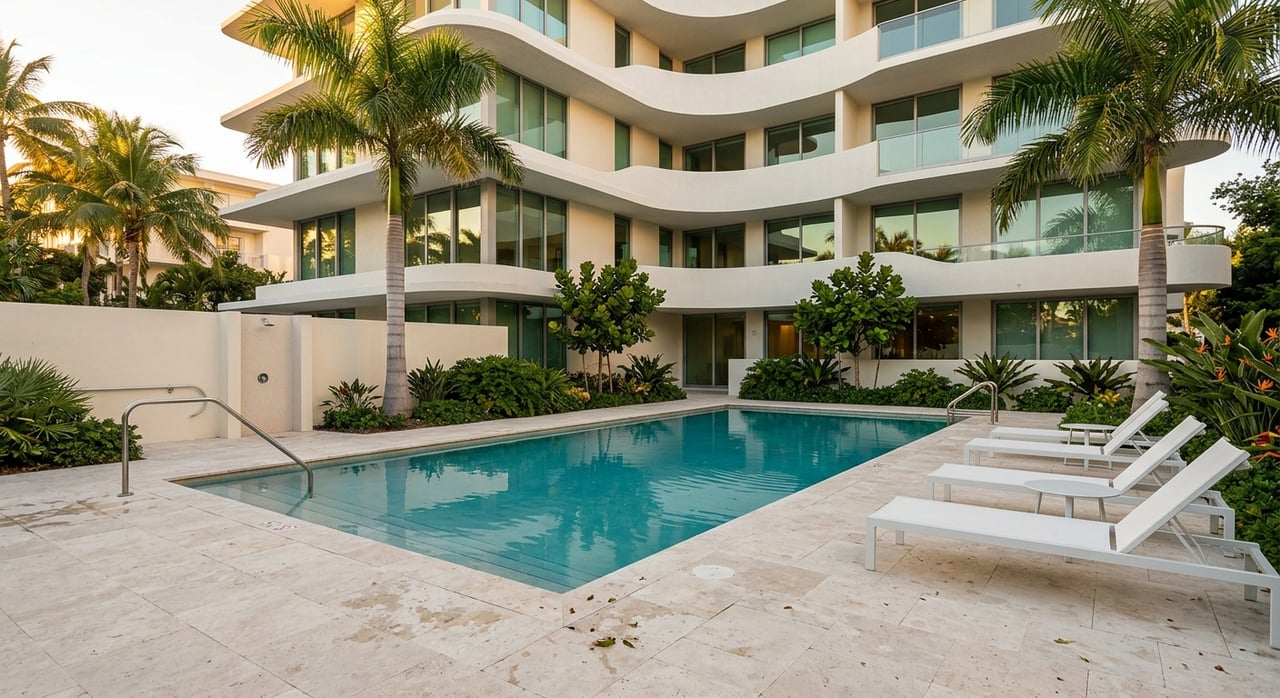
Boutique buildings are low- to mid-rise, often under 10 floors, with dozens of residences rather than hundreds. Amenities are more modest and staffing is lighter, which can mean lower monthly dues but a different risk profile around special assessments.
Many buildings near the New River, Intracoastal, and beach offer striking views and waterfront access. Towers often deliver the highest floors and broadest outlooks, while smaller properties may offer simpler living and fewer neighbors.
Lifestyle and amenities: everyday living
Amenities and dues: how they connect
High-rises tend to include 24/7 front desks, valet, multiple pools, full gyms, saunas or spas, social rooms, on-site management, secured garages, and lush landscaping. These features require staffing, contracts, insurance, utilities, and capital replacement, which drive monthly dues. For a clear breakdown of what dues typically cover and why they vary, see this explainer on how condo fees work and what they fund.
Boutique buildings often limit recurring staffing and large-scale systems. Fewer elevators and simpler amenities can reduce regular dues. That said, fixed costs are spread across fewer owners, so a single big repair can translate into a larger per-unit special assessment. Reviewing the reserve study and recent board minutes is essential.
Privacy, noise, and security
In a tower, you’ll likely see more neighbors in elevators and common areas, and you may have occasional elevator wait times. On the flip side, towers often deliver more formal security and visitor management. Smaller buildings can feel quieter and more familiar day-to-day, though security approaches vary by association. Always compare building policies and recent upgrades rather than assuming one size fits all.
Parking, storage, and boat access
Towers frequently provide assigned garage parking and sometimes valet. Waterfront buildings may offer docks or marina access. Boutique properties may have surface parking or limited garage spaces, and not all include slips. Confirm in writing whether parking spaces and boat slips are deeded, limited-common elements, leased, or managed by a separate marina entity, and ask about any related fees or waitlists.
Building systems, inspections, and reserves
Florida’s building-safety rules now shape condo ownership across the state. Under SB 4-D, most condo buildings three stories or higher require milestone structural inspections and a Structural Integrity Reserve Study, with earlier milestones for buildings within three miles of the coastline. These reports affect near-term budgets, reserve targets, and assessment planning. Review the Florida Senate summary of SB 4-D before you commit.
Broward County also runs a recertification program, historically known as the 40-year recertification, with inspection, reporting, and repair timelines. This local process interacts with SB 4-D requirements for many Las Olas buildings. You can explore the program in the county’s recertification FAQ.
What this means for you: towers have more complex systems to maintain over time, while smaller buildings may have leaner systems but still face significant lifecycle events. Your best protection is to study the latest inspections, the reserve study findings, and how the association plans to fund required work.
Fees, assessments, and the insurance reality
Association dues across South Florida have risen in recent years. Local reporting links these increases to higher master-policy insurance costs, new reserve-funding requirements after SB 4-D, and elevated construction and labor costs. To understand this trend in context, see WLRN’s reporting on how new rules and insurance have pushed condo fees higher.
What dues typically cover
Monthly dues commonly pay for master insurance, common-area utilities, security, landscaping, janitorial, elevator and pool maintenance, property management, and scheduled reserve contributions. The reserve study outlines big-ticket items such as roofs, façades, elevators, and key structural elements. A concise explainer on dues, reserves, and assessment risk is available here: how condo fees are structured and why they change.
Insurance and flood exposure
In Fort Lauderdale, coastal wind and flood risk influence both association and owner insurance. Associations typically carry a master policy that covers exteriors and common areas, while owners carry an HO-6 policy for interiors. Some properties also require separate flood coverage, depending on FEMA flood zones and lender rules. Review master-policy limits and wind/hurricane deductibles, then confirm what you must carry personally. The city’s page on floods and flood insurance is a helpful starting point, and this overview of condo association insurance explains how master policies and deductibles affect your costs.
Rental and use rules to know
Short-term rental rules are a two-layer check in Fort Lauderdale. The City requires registration and enforces minimum stays and advertising standards for rentals under 30 days. Review the City’s vacation-rental program guidelines. Associations often add their own leasing rules, such as minimum lease terms and caps on leases per year. Always read the declaration and bylaws to confirm what is permitted.
Florida also introduced enhanced transparency and administrative requirements for condo associations, increasing data availability and reporting responsibilities. You can read a summary of recent DBPR registration requirements here: DBPR registration requirement for Florida condominiums and cooperatives.
Financing and resale liquidity
Condo financing depends not just on your profile, but on the building’s profile. Fannie Mae, Freddie Mac, and FHA apply project-eligibility standards, including reserve funding, litigation, insurance, owner-occupancy levels, and single-entity ownership limits. If a project fails these checks, lenders may decline financing, which affects both purchase options and future resale liquidity. Review the condensed Fannie Mae project requirements to understand common thresholds.
Quick buyer checklist for Las Olas condos
Documents to request
- Current year operating budget and recent financial statements.
- Latest reserve study, SIRS, and any milestone inspection reports.
- Master insurance certificate and declarations, including wind/hurricane deductibles.
- Board meeting minutes for the past 12–24 months, litigation disclosures, and any special assessment notices.
- Resale or estoppel certificate showing dues, assessments, and transfer fees.
- Key management and maintenance contracts for elevators, pools, and property management.
Six questions to ask
- What is the percent-funded status in the most recent reserve study, and how is any shortfall being addressed?
- Are SB 4-D milestone or Broward recertification reports available, and what repairs are required and funded?
- What is the history of special assessments over the past five years, and are any assessments planned or approved?
- What are the master-policy limits and deductibles, and do owners need separate flood insurance?
- What are the building’s leasing rules, and are there any City enforcement actions related to short-term rentals?
- For waterfront buildings: are docks or slips deeded, leased, or managed by a separate entity, and what fees or waitlists apply?
Red flags to watch
- Structural reports that identify deterioration without a clear repair budget or funding plan.
- Low reserves combined with large deferred-maintenance projects.
- Owner-occupancy or rental ratios that may limit financing options.
- Multiple overlapping capital projects or frequent special assessments.
Which fits you? A simple decision frame
Choose a high-rise if you value:
- Full-service living with concierge, valet, and resort-style amenities.
- Panoramic views, extensive common areas, and formal security.
- On-site management and a robust operations team.
Choose a boutique condo if you prefer:
- Fewer neighbors, quieter corridors, and a more intimate feel.
- Simpler amenity packages and potentially lower routine dues.
- More direct control and visibility into association decisions.
Either way, the right fit comes down to your lifestyle priorities and your comfort with the building’s governance, reserves, insurance exposure, and rental rules.
Ready to find your fit on Las Olas?
You deserve a calm, well-organized buying experience rooted in clear facts. If you want to compare specific buildings, decode reserve studies, or validate financing paths, request a private consultation with Roman Tschannen. You will get bespoke guidance, local intelligence, and a discreet, concierge-level search from a trusted advisor.
FAQs
What is the main difference between Las Olas high-rises and boutique condos?
- High-rises concentrate amenities and services that shape lifestyle and dues, while boutique buildings favor fewer units, simpler systems, and potentially lower routine costs but different assessment risk.
How do Florida’s SB 4-D inspections affect my purchase?
- SB 4-D requires milestone structural inspections and Structural Integrity Reserve Studies for most buildings three stories or higher, making reserve health and planned repairs central to due diligence; review the Florida Senate summary and ask for the latest reports.
Can I do short-term rentals in a Las Olas condo?
- Fort Lauderdale requires registration and enforces minimum-stay rules under 30 days, and many associations add their own leasing limits; check both the City’s vacation-rental guidelines and the building’s governing documents.
Why are South Florida condo fees higher lately?
- Local reporting cites rising master insurance costs, reserve-funding requirements under SB 4-D, and higher construction and labor expenses; see WLRN’s coverage on condo fee increases.
What insurance will I need as a condo owner in Fort Lauderdale?
- Most owners carry an HO-6 interior policy, may need flood insurance based on location and lender rules, and should confirm master-policy limits and wind/hurricane deductibles; start with the City’s flood and insurance page.
How do lenders evaluate Las Olas condo buildings?
- Lenders and agencies review project eligibility, including reserves, insurance, litigation, and owner-occupancy; if a project fails, financing options narrow and resale liquidity can be affected; review Fannie Mae’s condo project requirements and confirm the building’s status with your lender.