Thinking about trading long winters for warm Atlantic breezes and year-round sunshine? Relocating is exciting, but picking the right neighborhood, understanding insurance and taxes, and planning your move can feel overwhelming. This guide gives you clear, practical steps to choose the right home in Pompano Beach, manage costs, and settle in with confidence. You will learn the neighborhood types, what to budget, how to handle HOAs and insurance, and a timeline to keep everything on track. Let’s dive in.
Pompano Beach at a glance
Pompano Beach sits on Florida’s southeast Atlantic coast in Broward County and is home to roughly 112,000 residents. You will find a mix of beachfront condos, inland single-family neighborhoods, and areas seeing new redevelopment. The city attracts year-round residents, seasonal owners, retirees, and investors. This variety lets you tailor your search to the lifestyle and property type that fits you best.
Neighborhood styles to explore
Beachfront and condo corridors
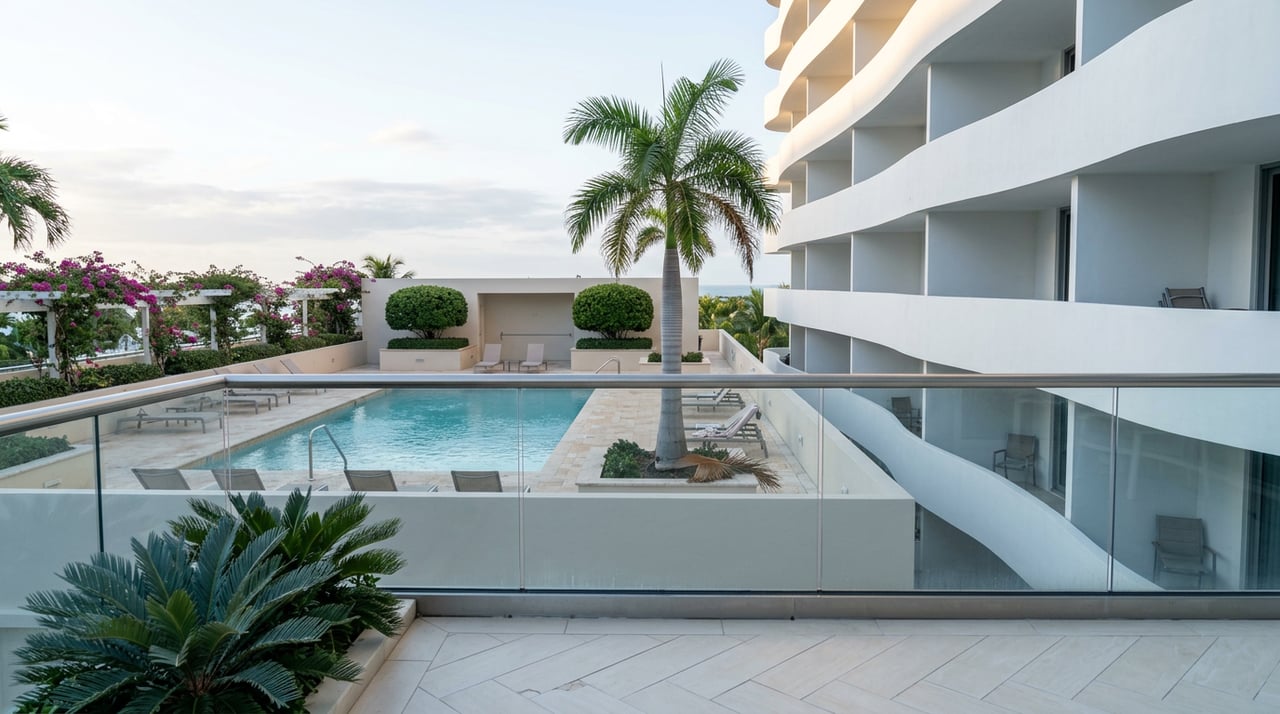
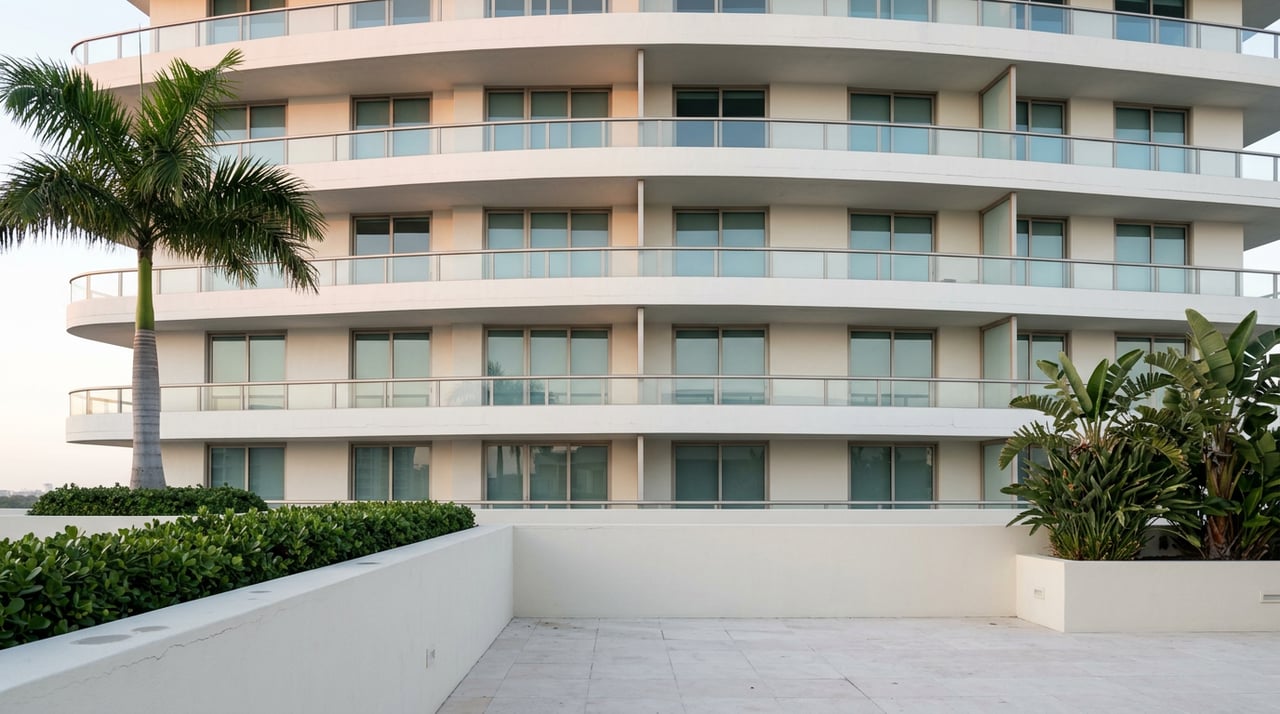
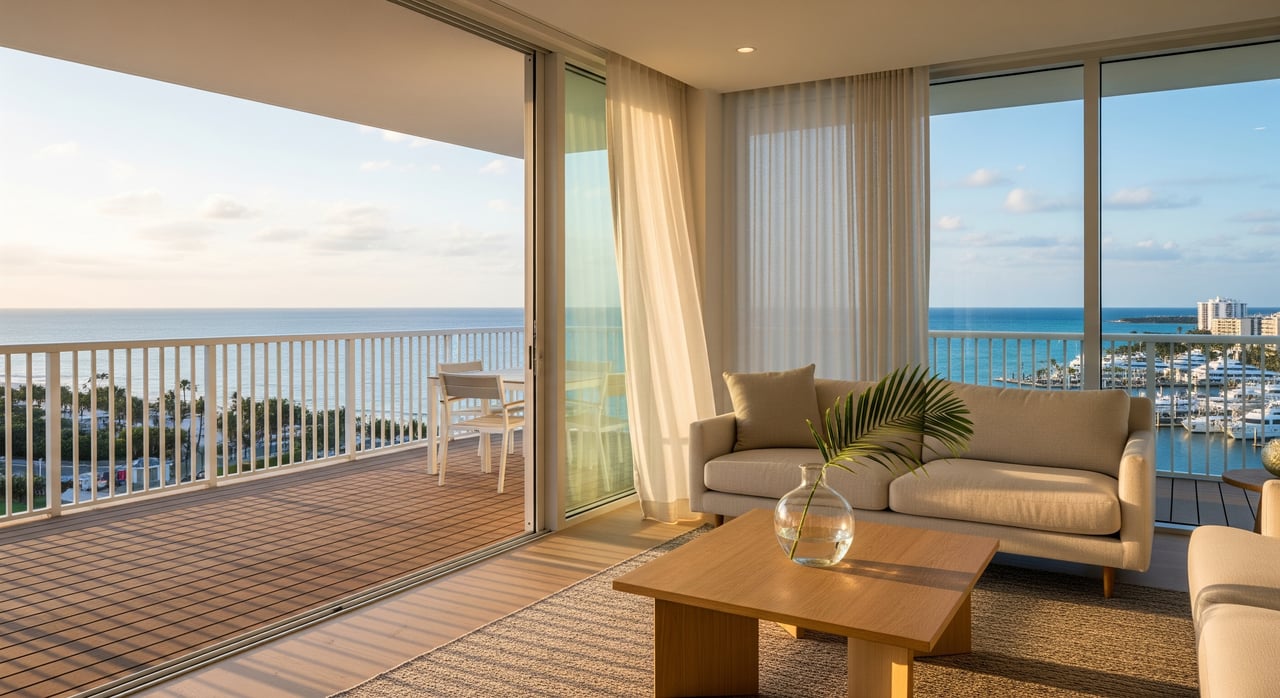
If you want ocean views and low-maintenance living, explore mid-rise and high-rise condos along the coast. Many buildings prioritize amenities and proximity to the beach. Some buyers also look at vacation rental potential, but rules vary by building and city code. Review association bylaws and local regulations before counting on rental income.
Downtown and city center
Areas near commercial corridors offer walkability to restaurants and services, with ongoing redevelopment adding new energy. This can appeal if you prefer an active, convenient lifestyle. Inventory ranges from condos to townhomes, with varying building ages. Always compare HOA rules, fees, and building financials.
Inland single-family neighborhoods
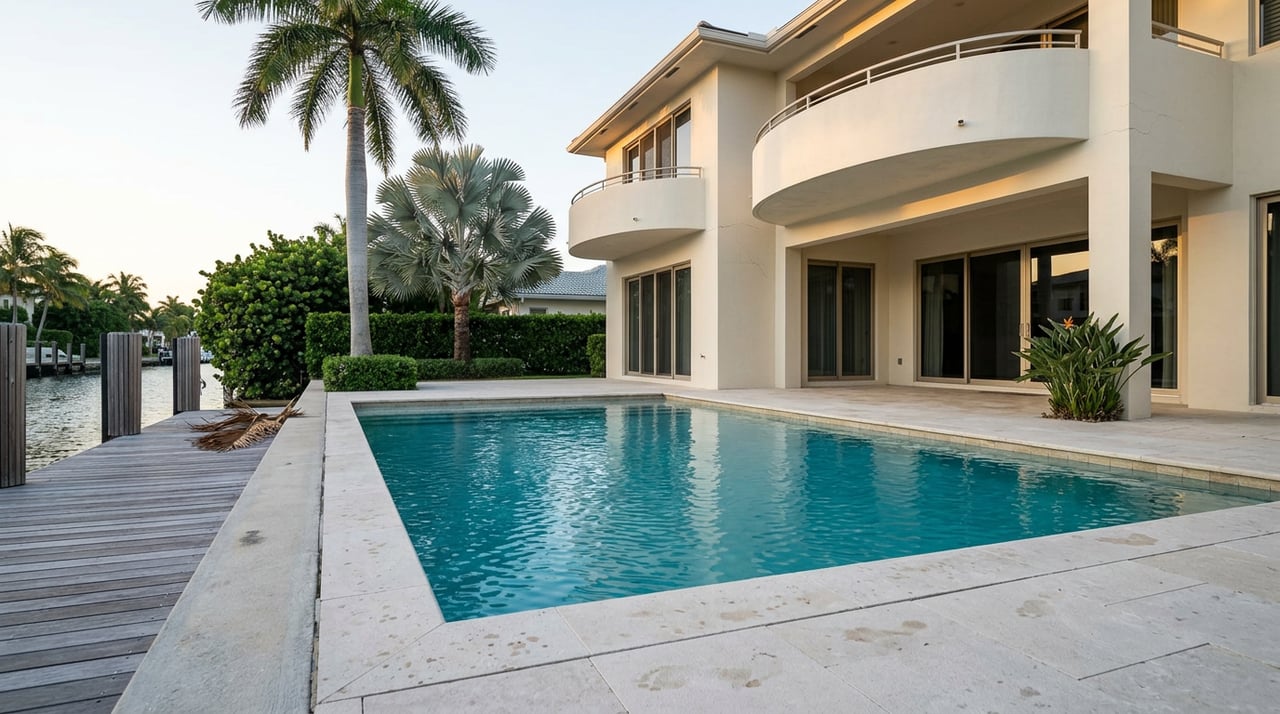
Move inland to find larger yards and a broader range of home ages and prices. You can prioritize space, privacy, or room to renovate. Age and construction type can impact insurance, so vet roof condition and wind protection features. Verify flood zone at the property level before you submit an offer.
Newer and gated communities
Newer developments may offer modern construction and amenities. Many are governed by homeowners associations that set standards for exterior changes, leasing, and pets. Some communities are age-restricted, which can suit certain lifestyle needs. Review covenants, budgets, and any pending assessments early in your due diligence.
Transitional and redevelopment areas
If you are value-focused, you may consider areas with active redevelopment. Services and finishes can vary block by block, so plan extra due diligence. Walk the neighborhood at different times and review the city’s planning and permit activity. For any address, check school zones and neighborhood crime statistics directly with official sources.
Buying or renting: key decisions
If you are buying
Focus on the property’s risk profile, carrying costs, and rules. Key items to evaluate include:
- Flood zone and elevation details, plus lender requirements for flood insurance.
- Wind exposure and construction features. Wind mitigation inspections can lower insurance costs through credits.
- Insurance availability and pricing. Get quotes early in the process.
- HOA or condo association rules, financial statements, reserves, and any pending assessments.
- Short-term rental restrictions at both the city and association level.
- Property tax history and projected taxes using county resources.
If you are renting
Decide if you want a seasonal lease or a year-round rental. Ask how utilities are handled and whether storm shutters or preparations are included. Confirm parking rules and any HOA requirements for tenants. If you are new to the area, test your commute during peak hours before signing a lease.
Costs, taxes, and exemptions
Florida has no state personal income tax, which can impact your overall financial picture. Property taxes are assessed locally, so consult Broward County resources for current millage rates and estimated bills for a specific address. Florida’s homestead exemption commonly reduces assessed value by up to 50,000 dollars for eligible primary residences, subject to state rules. Filing deadlines and residency requirements apply, and many owners target a March 1 filing date, but always confirm current rules with the Broward County Property Appraiser.
If you already benefit from capped assessments, Save Our Homes portability may let you transfer part of that benefit to a new Florida homestead. This is an important planning tool when upsizing or downsizing. For closing costs, budget for title and recording fees, lender costs, inspections, prepaid items, and insurance. Sellers should also plan for market-driven concessions and standard closing expenses.
Insurance and risk management
Two insurance topics matter most here: wind and flood. Insurers price wind and hurricane risk based on the home’s features and age. A wind mitigation inspection can identify credits for impact-rated openings, roof shape, and other elements. Elevation, drainage, and proximity to water influence flood risk. Many coastal and low-lying areas fall within FEMA flood zones, and lenders commonly require flood insurance for high-risk zones.
Flood coverage is available through the National Flood Insurance Program and private carriers. Florida’s property insurance market continues to evolve, and Citizens Property Insurance serves as the insurer of last resort. Get quotes at the beginning of your search so you can compare properties with realistic carrying costs. Remember that risk varies by address, even within the same neighborhood.
HOAs, condos, and short-term rentals
HOAs and condo associations are common and shape your experience. Rules may address leasing, pet policies, architectural changes, and renovations. Many associations in the region restrict short-term rentals, and city ordinances can apply as well. Before you buy, request the governing documents, financials, budgets, and details on any planned or pending assessments.
If you plan to rent your home, match your strategy to the legal framework. For seasonal or annual rentals, confirm minimum lease lengths and approval processes. For vacation rentals, verify registration requirements and building allowances before you make an offer. Understanding the rules upfront protects your yield and your peace of mind.
Getting around and commuting
You have access to major north–south corridors, including I‑95 and US‑1, with Florida’s Turnpike reachable from the broader region. Broward County Transit runs local bus routes across Pompano Beach. For regional rail, Tri-Rail and Brightline operate nearby stations in the South Florida corridor. The closest major commercial airport is Fort Lauderdale–Hollywood International, with Miami and Palm Beach airports also within reach.
Commute times vary widely based on direction and time of day. The best test is to drive your route during the same hours you plan to travel. If you work hybrid or remote, you can prioritize lifestyle and amenities rather than proximity to a single office. Factor in airport access if you expect frequent travel.
Utilities and everyday setup
Florida Power & Light is the primary electric provider for Broward County addresses. Within city limits, water, sewer, and trash are typically managed by the City of Pompano Beach. Internet and TV availability varies by block, so confirm options for each address. Schedule service transfers to line up with your closing or lease start date.
New residents should get a Florida driver’s license and register vehicles according to state timelines through the Florida Department of Highway Safety and Motor Vehicles. If you want to vote in local elections, register with the Broward County Supervisor of Elections after establishing residency. Healthcare access is straightforward, with major hospitals and urgent care options across Broward and nearby Fort Lauderdale. Identify your nearest hospital, primary care provider, and urgent care as part of move-in planning.
Climate, codes, and resilience
Hurricane season runs from June 1 through November 30 each year. Build a plan that includes evacuation routes, shelter locations, and a stocked supply kit. Florida’s building codes, updated significantly after Hurricane Andrew, set wind and elevation standards for new construction and major renovations. These standards influence insurance pricing and can guide retrofit choices for older homes.
Flood risk varies by parcel. Use FEMA flood maps to understand your zone and base flood elevation, then confirm whether your lender will require coverage. Broward County and local cities are actively planning for sea-level rise and recurrent tidal flooding, and infrastructure projects continue to evolve. Consider elevation certificates, roof certifications, and impact upgrades to make your home more resilient and potentially lower premiums.
Step-by-step relocation timeline
60 to 90 days before move
- Define your must-haves: condo or single-family, parking needs, rental flexibility, and preferred lifestyle.
- Get pre-approved if financing and request early insurance quotes for sample properties.
- Review flood zones and building features for each shortlist address.
- Start a file for HOA documents, budgets, and any pending assessments.
Under contract
- Order inspections: general, roof, and wood-destroying organisms if applicable.
- Confirm insurance bindability and premiums, including wind and flood.
- Review association documents, reserves, and leasing rules in detail.
- Verify property tax history and confirm projected taxes using county resources.
- Coordinate appraisal, loan conditions, and walk-through.
One to two weeks before closing
- Set up or transfer utilities for electric, water, sewer, and internet.
- Schedule movers, elevator reservations, and building access if in a condo.
- Secure proof of insurance and finalize closing disclosures.
- Plan storm readiness supplies if closing during hurricane season.
First 30 days after closing
- File for Florida homestead exemption if eligible and within the filing window.
- Get your Florida driver’s license and register vehicles as required.
- Update your mailing address and voter registration.
- Enroll children in Broward County Public Schools or finalize private or charter school enrollment.
- Review HOA calendars, meeting schedules, and maintenance plans.
Tips for buyers from out of state or abroad
If you are relocating from another state or country, align your timeline with insurance, HOA approvals, and closing requirements. Confirm your lender’s expectations for documents and remote closing options if you will not be in Florida. Build in extra time for association approvals and international funds transfers. Plan your first visit to test commutes, walk neighborhoods at different times, and compare buildings on rules and financial health.
How we can help
You deserve clear advice, discreet representation, and a smooth landing in Pompano Beach. With a concierge, research-driven approach, you can compare neighborhoods, evaluate buildings, and understand address-level risks before you bid. If you want to explore options or map a tailored move-in plan, connect with Roman Tschannen for a private consultation.
FAQs
Do I need flood insurance in Pompano Beach?
- If your home is in a FEMA high-risk flood zone or your lender requires it, you will need coverage, and many owners choose to carry flood insurance in coastal cities even outside high-risk zones.
How does the Florida homestead exemption work in Broward County?
- Eligible primary residents can reduce assessed value by up to 50,000 dollars subject to state rules, with filing deadlines and residency requirements set by the Broward County Property Appraiser.
Are short-term rentals allowed in Pompano Beach condos?
- Many associations restrict short stays and the city may regulate rentals, so review HOA documents and municipal rules before relying on rental income.
What is hurricane season in Pompano Beach?
- Hurricane season runs from June 1 through November 30; plan evacuation routes, shelter options, and a supply kit, and verify your home’s wind protections.
Which utilities serve homes in Pompano Beach?
- Florida Power & Light provides electricity for most addresses, while the City of Pompano Beach typically manages water, sewer, and trash for in-city properties.
What transit and airports are nearby?
- You can access I‑95 and US‑1 locally, use Broward County Transit for buses, connect to Tri-Rail and Brightline in nearby cities, and fly from Fort Lauderdale–Hollywood International with Miami and Palm Beach also accessible.
How are schools assigned in Pompano Beach?
- Public school assignments fall under Broward County Public Schools and are address-based; confirm zones and program details directly with the district before you buy or lease.