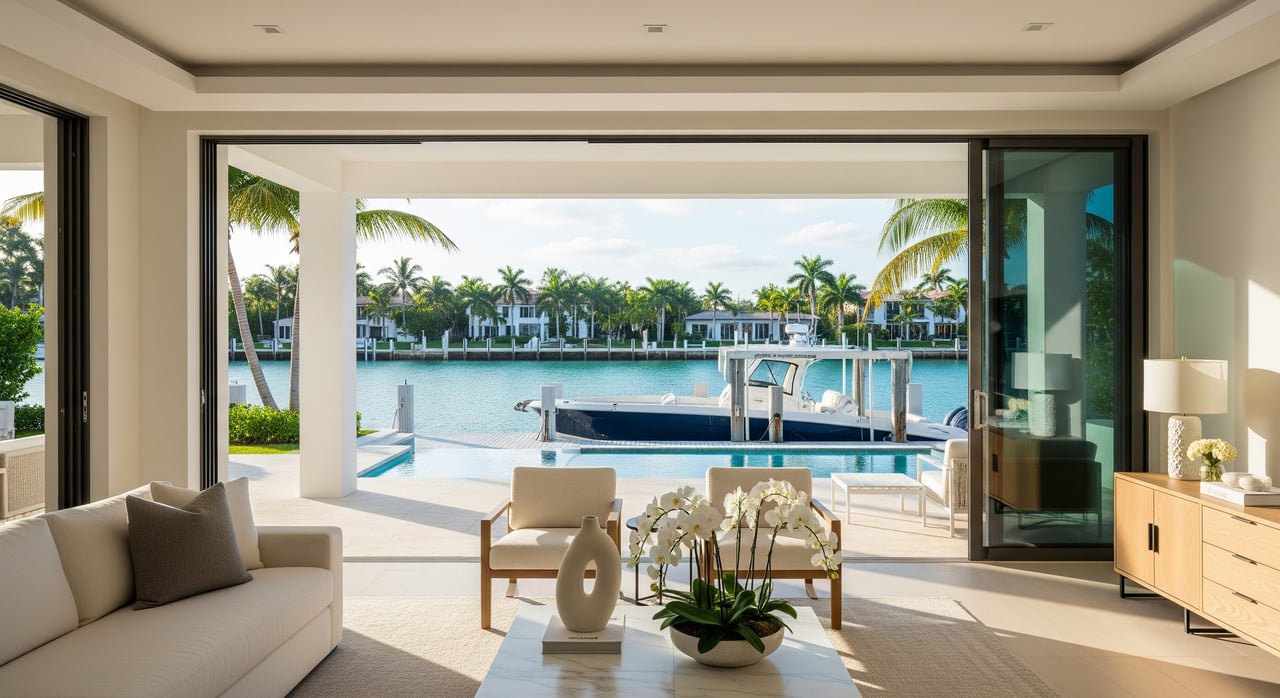
Selling in Las Olas Isles starts long before the first showing. Waterfront buyers will evaluate your seawall and dock before they admire your kitchen, and insurers will study your roof and systems before they price a policy. If you want top dollar with fewer surprises, you need a plan tailored to canal-front living. This guide gives you a clear checklist for inspections, permits, staging, pricing, and timing so you launch with confidence. Let’s dive in.
What buyers expect in Las Olas Isles
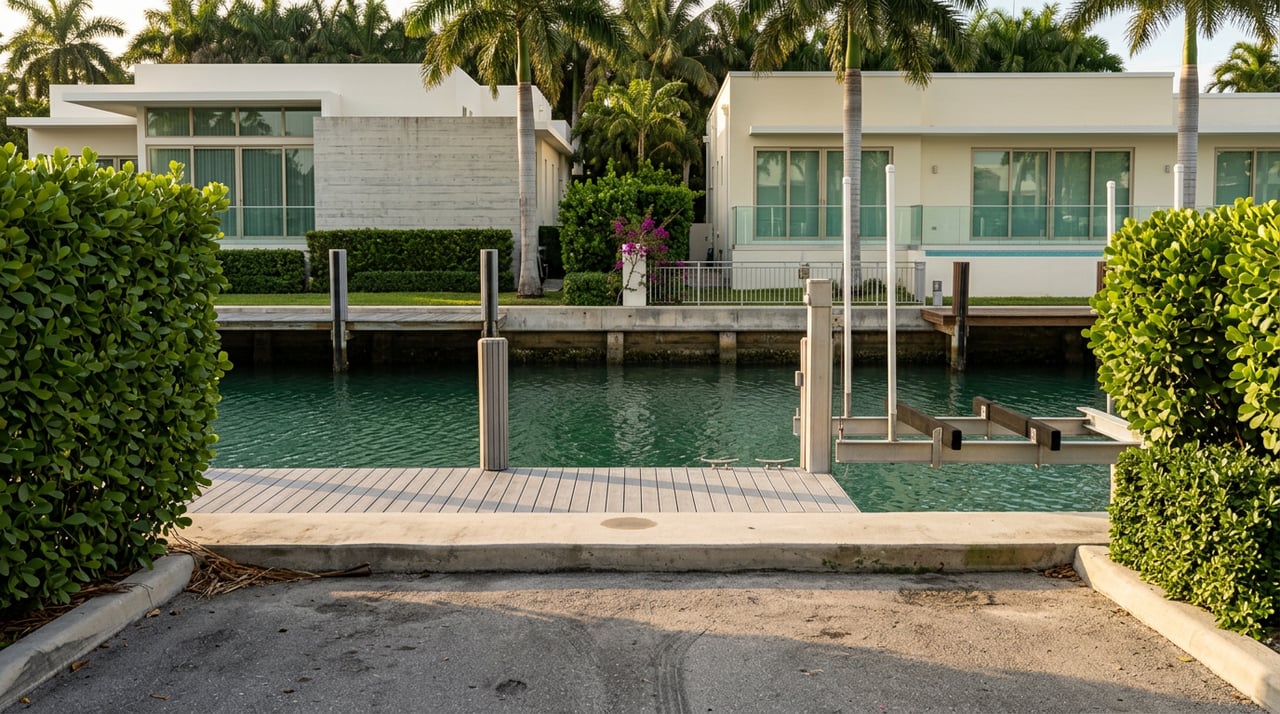
Las Olas Isles buyers focus on the waterfront first. They want a safe, usable dock with proper clearance, a well-maintained seawall, and functional boat-lift systems. They also look for hurricane-ready features such as impact glass or documented shutter systems.
Mechanicals matter. Expect close scrutiny of HVAC, electrical panels, roofing, and pool equipment. Clean lines of sight to the water, inviting outdoor living spaces, and easy access to Las Olas dining and downtown Fort Lauderdale round out buyer priorities.
Pre listing technical checklist
Inspections to schedule
- Full home inspection covering structure, roofing, electrical, plumbing, and HVAC.
- Dedicated roof inspection with documentation of age and repairs.
- HVAC service and filter change, plus service records.
- Pool and spa equipment inspection; confirm safety items meet local code.
- Termite and WDO inspection. Review UF IFAS Extension resources on termites for background.
- Seawall and dock inspection by a marine contractor or coastal engineer. Include boat-lift operation.
- Mold and moisture assessment if you see staining or smell musty odors. The CDC’s mold information explains common issues and health considerations.
- Electrical check for panel capacity, labeling, and required GFCIs.
Repairs to prioritize
- Structural and safety: seawall or dock repairs, roof leaks, and major electrical or plumbing hazards.
- Hurricane readiness: impact windows and doors or documented shutters with proper hardware; verify generator or transfer switch if present.
- Corrosion-prone items: replace or service rusted dock hardware and boat-lift components.
- Mechanicals: address A/C problems, aging water heaters, and pool or irrigation issues.
- High-ROI cosmetics: neutral interior paint, updated lighting and hardware, and targeted kitchen or bath refreshes suitable for the price tier.
Documents to assemble
- Current survey or plot plan showing lot lines and water access.
- Permits, final inspections, and completion certificates for renovations or marine work. You can verify permit status with the City of Fort Lauderdale Building and Permitting.
- Seawall, dock, and boat-lift maintenance records and any engineering reports.
- WDO treatment history and warranties.
- A/C and roof service records and any transferable warranties.
- Flood zone details, insurance history, and elevation certificate if available. Use the FEMA Flood Map Service Center to confirm zone and the FEMA flood insurance guidance for policy basics.
- HOA or neighborhood association disclosures, if applicable.
- Property data and tax history from the Broward County Property Appraiser.
Permits, disclosures and insurance
Permits to verify
Waterfront improvements often require multiple approvals. Gather permits and approvals for docks, boat lifts, and seawalls. Start with the City of Fort Lauderdale Building and Permitting. For work affecting navigable waters, review the US Army Corps of Engineers permit information and the Florida Department of Environmental Protection for coastal regulations.
Disclosures and flood risk
In Florida, sellers typically disclose known material facts and defects. Your agent will guide you on forms and best practices; see Florida Realtors resources for an overview. Disclose any flooding, hurricane damage, seawall repairs, or unpermitted work with documentation.
Confirm the property’s flood zone and share mitigation details and insurance history. An elevation certificate helps buyers and underwriters. For broader context on sea level and coastal risk, consult the NOAA Sea Level Rise viewer.
Insurance files to prepare
Insurers often request wind mitigation and four-point inspections, plus roof and mechanical service records. Provide clear documentation and recent maintenance to streamline underwriting and give buyers clarity on costs.
Staging and marketing that sell waterfront
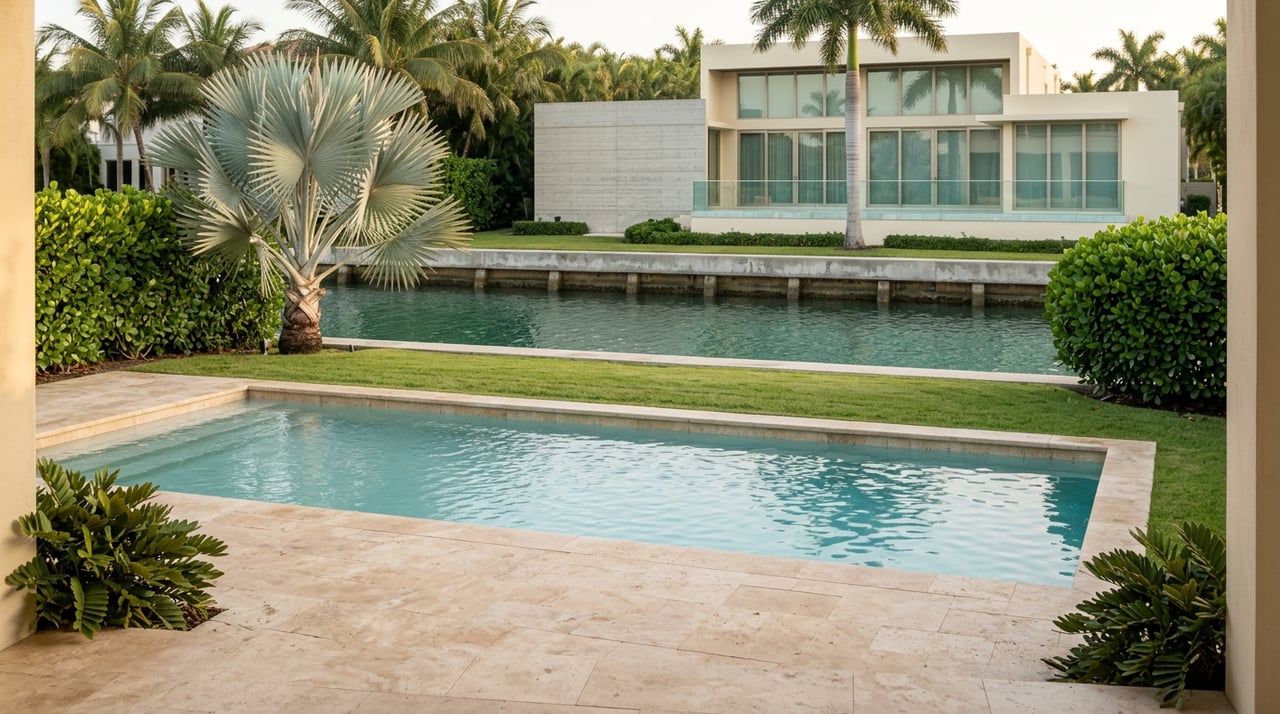
- Emphasize outdoor living. Stage lounge, dining, and grill zones. Keep sightlines to the canal open and lighting fully functional.
- Tidy the dock. Secure gangways, check boat-lift covers, coil hoses, and remove clutter and leashed pets during showings.
- Use a neutral coastal palette indoors. Declutter to showcase water views and create flow from entry to the terrace.
- Highlight resilience. Clearly present impact glass, shutters, generator features, and storage for storm panels.
- Invest in media. Book professional photography, drone aerials, and twilight shots to capture canal orientation and outdoor lighting. Create a strong virtual tour and floor plan for out-of-area buyers.
Pricing, timing and showings
Waterfront comps hinge on water exposure, dock size, seawall condition, lot width, and interior updates. Adjustments for dock capacity and seawall status are common. Use a local agent with waterfront experience to assemble accurate comps and narrative value.
South Florida’s peak buyer activity typically runs late fall through spring. If possible, time major cosmetic work and listing to benefit from seasonal demand. Twilight showings often present the property at its best.
Plan for logistics. Remove personal items, secure valuables, and arrange for pets. Waterfront settings require extra care for children and animals during tours.
Six to eight week prep timeline
- 6 to 8 weeks out: Gather permits, service records, survey, and insurance docs. Order WDO and seawall or dock inspections. Get repair estimates.
- 4 to 6 weeks out: Complete safety and mechanical repairs. Service the pool and irrigation. Refresh paint and landscaping. Address corrosion at the dock and lift.
- 2 to 3 weeks out: Book professional cleaning and staging. Schedule photography, drone, and twilight shoots. Prepare the seller disclosure packet and HOA documents.
- Listing week: Final walk-through. Stage dock and outdoor areas. Deliver the full documentation set to your agent for marketing and buyer diligence.
Listing packet checklist
- Survey or plot plan that confirms water access.
- Renovation and marine permits with completion or inspection confirmations.
- Seawall, dock, and lift service records, including any certifications.
- Roof, HVAC, and pool service logs and warranties.
- WDO reports and treatment history.
- Flood zone info, elevation certificate, and insurance history.
- HOA or neighborhood documents and any applicable disclosures.
Final thoughts
When you prepare like a waterfront buyer will think, you protect value and shorten your timeline. A clean inspection file, verified permits, staged outdoor living, and seasonally smart launch give you an edge in Las Olas Isles. If you would like a tailored plan for your property, request a discreet consultation with Roman Tschannen.
FAQs
What inspections do waterfront buyers expect in Las Olas Isles?
- General home, roof, HVAC, electrical, WDO, wind mitigation and four-point, plus dedicated seawall and dock inspections are common.
How do seawall and dock issues affect my sale?
- Buyers scrutinize condition and permits; documented inspections and completed repairs reduce risk, support price, and prevent closing delays.
Do I need an elevation certificate to sell a canal-front home?
- It is not always required but often requested by buyers and insurers; providing one helps estimate flood insurance and speeds underwriting.
Which permits apply to docks and boat lifts in Fort Lauderdale?
- Confirm city permits and, where applicable, federal or state approvals; start with Fort Lauderdale’s building department, USACE, and Florida DEP.
Is hurricane season a bad time to list in South Florida?
- Peak demand often arrives late fall through spring; well-prepared homes still sell year-round, though storms can introduce scheduling risks.