Should you buy brand‑new or choose a well‑located resale on Lauderdale Beach? It is a big decision, especially if you are comparing views, amenities, carrying costs, and risk across buildings on the barrier island. You want beachside living without surprises later. This guide breaks down the key differences so you can compare price, timeline, financing, insurance, HOA health, rental potential, and long‑term value with confidence. Let’s dive in.
Lauderdale Beach at a glance
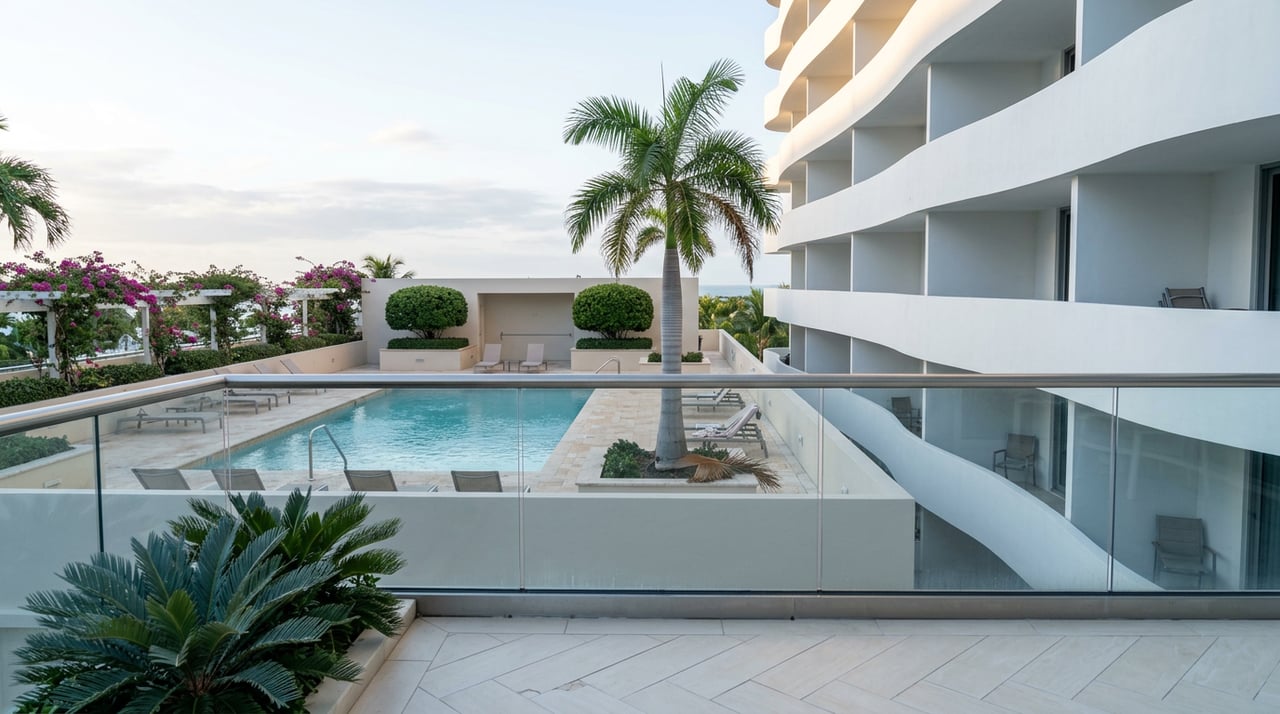
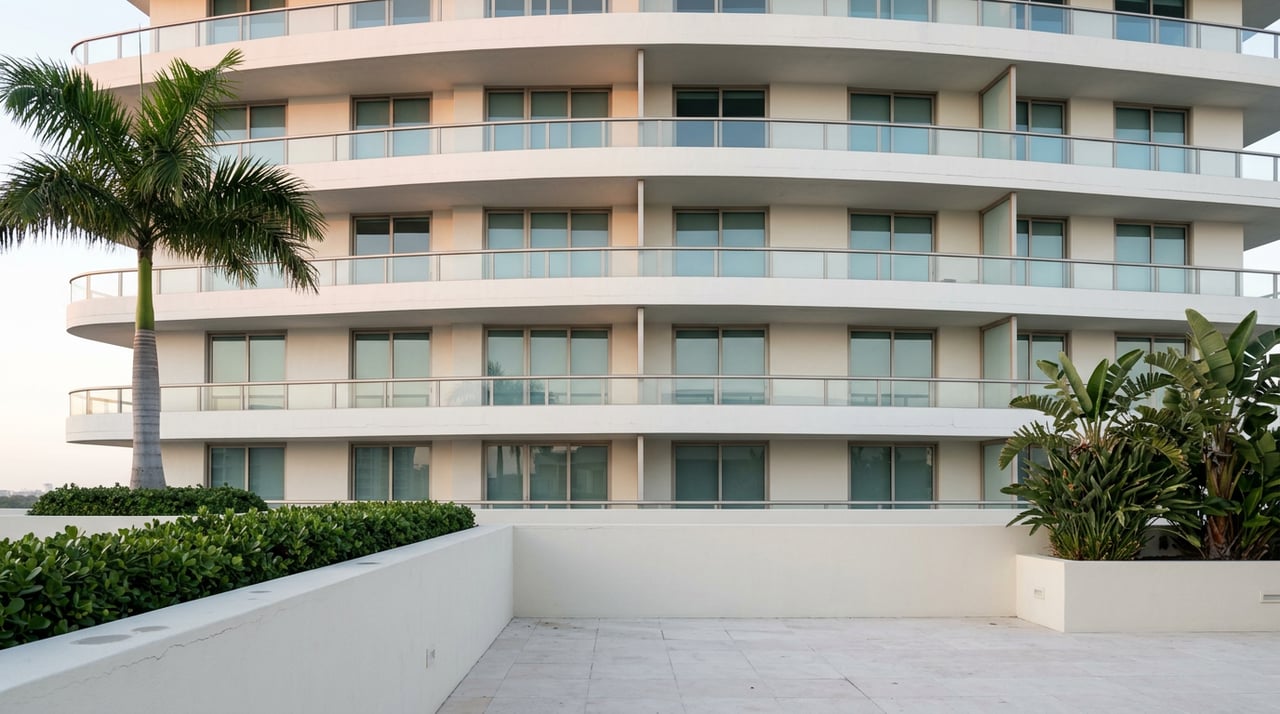
Lauderdale Beach sits on Fort Lauderdale’s barrier island with a skyline of mid‑ and high‑rise condos facing the Atlantic, plus a smaller mix of low‑rise condos, townhomes, and some single‑family homes nearby. New construction here is typically a condo tower or mixed‑use coastal development, while resale inventory spans several decades of existing high‑rises. Demand is driven by beach access, a walkable lifestyle, and strong seasonal interest in winter.
Safety and resilience are front of mind across the coast. Following the Surfside collapse, buyers and associations have paid closer attention to inspections, reserves, and building maintenance, which also affects insurance availability and costs. You can review statewide resources through the Florida Department of Business & Professional Regulation for context on building safety and condo oversight.
Price and total cost of ownership
New construction often commands a premium for modern design, amenities, and warranties. You may also see developer pricing for upgrades and initial HOA fees that adjust after the community stabilizes. In some cases, developers offer incentives such as closing credits or finishes.
Resale pricing follows recent comps and the unit’s condition. Older condos can trade at a discount to new product, but renovation needs and association health will influence value. Your best comparison is total cost of ownership: HOA dues, reserves, special assessments, taxes, and insurance.
Action step: Pull the parcel’s tax history and details from the Broward County Property Appraiser and compare HOA budgets, reserve funding, and any pending or recent special assessments.
What to compare line by line
- Monthly HOA dues and what they include
- Reserve contribution per month and reserve study status
- Known or pending special assessments
- Master insurance coverage, deductibles, and your share through dues
- Your interior policy and flood policy
- Annual property taxes and any exemptions
- Expected upgrade, furniture, or renovation costs
Timeline and transaction complexity
New construction follows a longer path: presale contract, construction period, final inspections, and certificate of occupancy before closing. Weather, permitting, or supply chain issues can delay completion. If you need to be in residence by a firm date, build in a buffer and have a contingency plan.
Resale closings use the standard route of inspection, appraisal, and lender underwriting and usually move faster. You can time your move more predictably, subject to financing and condo association approvals.
Financing and appraisal factors
On new builds, buyers often use builder‑preferred lenders, a construction‑to‑permanent loan, or a conventional mortgage at completion. FHA and VA options may be limited until a new condo is on the approved list, so if you rely on government‑backed financing, confirm project eligibility early using HUD’s condominium approval guidance.
Appraisals for brand‑new towers can be tricky if there are few recent sales in the building or immediate area. Resales in established condos offer clearer comparable sales, which can help underwriting and negotiation.
Inspections, codes, and warranties
New buildings are permitted under the current Florida Building Code, which typically means better wind resistance, impact windows and doors, and newer mechanical systems. Most developers include written warranties that cover workmanship and systems for a short period and major structural items for longer. For typical terms and scope, the National Association of Home Builders offers helpful guidance. You should still plan independent inspections and detailed punch lists before closing.
For resales, order a thorough inspection and review the building’s recent maintenance, elevator and roof status, garage or pool projects, and water intrusion history. In both cases, documentation matters as much as a visual walk‑through.
HOA governance and reserves
With new construction, the developer usually controls the HOA until turnover. Early budgets may be subsidized or based on projections. Once owners assume control, dues can rise to reflect full operating costs and long‑term reserves. If reserves are thin, special assessments may follow.
Established associations provide a paper trail: budgets, reserve studies, meeting minutes, and past special assessments. Florida’s Condominium Act sets key disclosure and governance standards for associations. You can review the statute text via the Florida Legislature’s website to understand the framework around turnover, reserves, and required documents.
Insurance, flood risk, and resilience
Fort Lauderdale Beach lies in coastal flood zones, often FEMA VE or AE, where lenders usually require flood insurance. Condominium buildings commonly carry a master windstorm policy, but premiums and deductibles can be high, and owners contribute through HOA dues.
Newer buildings designed to the latest codes can include elevated finished floors and impact glazing, which may help risk ratings and some insurance costs. Location still drives premiums. Older towers without current code features may face higher premiums, required retrofits, or stricter underwriting.
- Check the property’s flood zone using the FEMA Flood Map Service Center.
- Review how FEMA’s Risk Rating 2.0 affects premium calculations on the FEMA Flood Insurance page.
Short‑term rental and income potential
Beachfront condos attract vacation demand, especially in winter. However, short‑term rentals depend on both city rules and your building’s bylaws. Fort Lauderdale requires registration and sets operating standards. Start with the City of Fort Lauderdale’s website to understand local short‑term rental requirements, and confirm association restrictions on lease length, rental caps, and blackout periods.
Some new projects are designed with flexible layouts and may market on‑site rental programs. Even so, the condo association has the final say on what is allowed. In many oceanfront buildings, rentals are limited.
Maintenance, amenities, and long‑term value
New construction typically offers lower immediate maintenance, modern systems, and fresh design. High‑end amenities improve lifestyle and future buyer appeal, but they can increase HOA operating costs.
Resale buildings provide history. You can see what has been repaired, what is planned, and how capital projects were funded. Older units may benefit from targeted renovations that modernize kitchens, baths, and lighting. Long‑term value on the beach tends to favor great views, strong building management, and reliable amenities, whether new or updated.
Which path fits your goals
Choose new construction if you want low initial maintenance, current code features, and hotel‑style amenities, and you are comfortable with a longer timeline to occupancy. This option can work well for part‑time use or a primary residence with a modern feel.
Choose resale if you want faster closing, larger floor plans in some buildings, and potential value if you renovate. You will also benefit from established comps, association records, and a clearer picture of ongoing costs.
If rental income is part of your plan, verify both city and association rules before you buy. The right choice comes down to your timeline, budget, risk tolerance, and how you plan to use the property.
Next steps checklist for Lauderdale Beach
- Confirm flood zone and elevation using FEMA maps; request any elevation certificates from the seller or association. Start at the FEMA Map Service Center.
- Compare master insurance coverage, deductibles, and reserves in HOA documents. Ask for recent budgets and meeting minutes.
- For new builds, request written warranty terms and review the permit and certificate of occupancy under the Florida Building Code.
- For resales, pull parcel taxes and prior years’ assessments via the Broward County Property Appraiser.
- If you plan to use FHA or VA financing, confirm condo eligibility through HUD’s condo project guidance.
- If you plan to rent, review city registration rules on the City of Fort Lauderdale site and the building’s bylaws.
- For statewide condo safety resources and guidance, consult the Florida DBPR.
Ready to compare specific buildings, floor plans, and line‑item costs across Lauderdale Beach? Request a private, data‑driven review and a curated tour aligned to your goals. If you value discretion, negotiation skill, and global reach, connect with Roman Tschannen for a private consultation.
FAQs
Is new construction safer than resale on Lauderdale Beach?
- New buildings are permitted to the current Florida Building Code, which improves wind resistance and modern systems, but coastal exposure still drives flood and wind risk, so insurance and due diligence remain essential.
Will insurance be cheaper in a new beachfront condo?
- It can be, thanks to impact glazing and elevated design, but premiums depend on location, elevation, building features, and FEMA’s Risk Rating 2.0, so obtain building and unit‑level quotes before you commit.
Are short‑term rentals allowed in Lauderdale Beach condos?
- The City of Fort Lauderdale requires registration and sets rules, and many condo associations set minimum lease terms or caps, so your ability to rent depends on both the city and the building bylaws.
Do HOA dues rise after a new building’s turnover?
- They can; early budgets may be subsidized or based on projections, and once owners assume control, operating costs and reserve funding are often adjusted to actuals, which can increase dues or require assessments.
How long does a new construction purchase take to close?
- Expect a presale contract followed by a construction period and final inspections before closing; weather, permitting, or supply chain issues can extend timelines beyond initial estimates.
What should I review before buying a resale condo on the beach?
- Review the reserve study, recent financials, meeting minutes, master insurance policy and deductible, any planned capital projects, and the unit’s inspection results, plus the building’s flood zone and elevation.