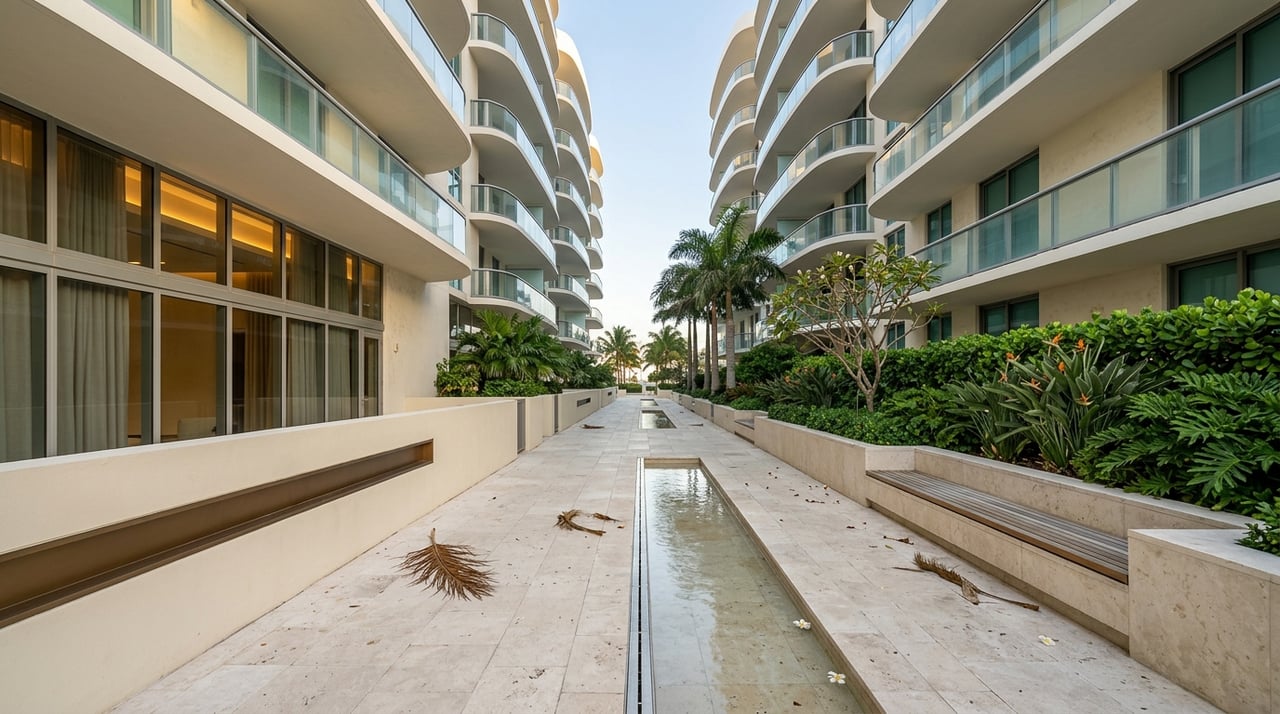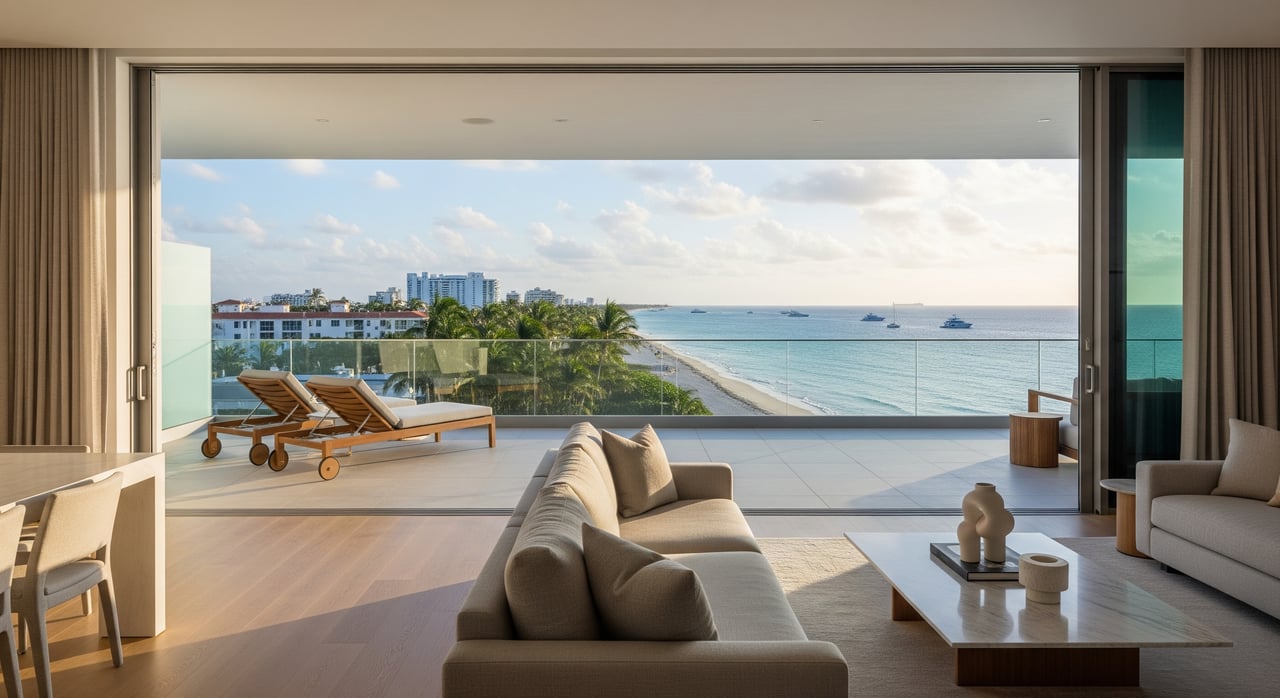
Picture this: you own a Lauderdale Beach condo that your family enjoys a few weeks a year, and the rest of the time it helps pay for itself. The idea is appealing, but the details matter. Rules, fees, insurance, and seasonality can make or break your returns. In this guide, you will learn how Lauderdale Beach works as an investment, what to analyze before you buy, and how to avoid common pitfalls. Let’s dive in.
Why Lauderdale Beach attracts investors
Lauderdale Beach sits on the Atlantic shoreline just north of Las Olas, with direct beach access, walkable amenities, and quick connections to marinas and Port Everglades. The nearby Fort Lauderdale-Hollywood International Airport supports steady visitor flow for both leisure and business.
Tourism, the boating ecosystem, and major events like the Fort Lauderdale International Boat Show help drive year-round demand. Winter typically brings peak seasonal traffic. Condominiums dominate the beachfront housing stock here, and well-located, amenity-rich buildings tend to see durable interest from both tenants and buyers.
Markets have been mixed since 2023, with performance varying by building quality, maintenance, and amenities. Inventory and days on market shift quickly. That is why up-to-date comparable sales and active rental data are essential when you evaluate a specific building and line.
What you will find in Lauderdale Beach
You will see a range of buildings, from boutique mid-rises to luxury high-rises with ocean or Intracoastal views. Units range from efficient studios and one-bedrooms to larger residences suited for second-home use or full-time living.
Amenities often include pools, fitness centers, security, covered parking, and in larger buildings, property management or concierge services. These features support both rental demand and owner enjoyment, but they also shape operating costs and HOA fees.
Matching rental strategy to the building
Short-term rentals can be attractive, but they are sensitive to seasonality, building rules, and city regulations. Many condominiums restrict or prohibit short-term rentals in their bylaws. If short-term rental income is central to your plan, confirm building-level rules and local registrations before you write an offer.
Seasonal and long-term rentals offer a different risk profile. They may reduce turnover and management intensity, though total gross income can be lower than high-occupancy short-term programs. In Lauderdale Beach, snowbird demand in winter and event-driven stays can complement a longer lease approach, if allowed by the association.
The numbers that matter
Returns here vary widely by building, view, size, and rental flexibility. Focus on the variables that most affect cashflow.
HOA fees and reserves
Beachfront HOA fees can be substantial. They often cover common-area maintenance, security, elevators, landscaping, master insurance, and reserves. In older buildings, fees may reflect higher capital maintenance or deferred work. For underwriting, deduct HOA fees and any HOA-included utilities or services from your rent projections to understand true net income.
Request recent budgets, balance sheets, and reserve studies. Weak reserves or high delinquencies can lead to special assessments that disrupt returns.
Insurance and insurability
Most buildings carry a master policy for the structure. As an owner, you will typically need an HO-6 policy for interior finishes, contents, and liability. Given the coastal location, windstorm coverage and flood insurance are often required or strongly recommended.
Florida’s insurance market has seen elevated premiums and shifting carrier appetites. Flood risk depends on FEMA flood zones, and beachfront locations often fall in higher-risk categories. Ask for master policy details, windstorm deductibles, and confirm whether the building has impact-rated windows or shutters that may influence premiums.
Financing for condos
Condo financing can be more complex than single-family loans. Lenders look closely at project-level health, from reserves to owner-occupancy rates and litigation. If a project is considered non-warrantable, you may face higher down payments or portfolio lending.
Check whether the building qualifies for conventional, FHA, or VA financing. Coordinate early with a lender experienced in South Florida condos to avoid surprises and to confirm any project-specific conditions.
Taxes and short-term rental taxes
Florida has no state income tax, which can improve net yield. Property taxes will reflect non-homestead rates for investment properties. If you plan to rent short term, you will need to register for and remit transient rental taxes applicable at the state and local levels. Confirm current rates and registrations before you go live with bookings.
Management and operating costs
Expect line items for property management, marketing or platform fees, cleaning and turnover, repairs, utilities, and periodic refreshes. Short-term programs usually carry higher management fees because of guest services and frequent cleanings. Amenities such as onsite security and covered parking can improve guest satisfaction and pricing, but they should be factored into your cost-benefit analysis.
Risk, rules, and compliance
Short-term rentals are regulated at the city and county levels and can change. Fort Lauderdale requires registration and has zoning and occupancy rules. Enforcement matters, and fines can be significant. Building bylaws often layer additional restrictions or minimum lease periods. Confirm both city requirements and association rules in writing.
Post-2021, building safety has been a focus across Florida. Many multifamily buildings face structural inspection requirements, reserve transparency, and potential remediation plans. Ask whether required inspections are complete, review any engineer reports, and confirm upcoming projects or special assessments.
Coastal risk is real. Lauderdale Beach sits on the oceanfront, which brings exposure to storm surge, wind events, and long-term sea-level considerations. Verify FEMA flood zone status and, if available, obtain an elevation certificate for your unit or building. Insurance market volatility can affect both master policies and HO-6 pricing, which in turn impacts HOA fees and owner costs.
Due diligence checklist before you write an offer
Gather documents early so you can underwrite with confidence.
- Condominium declaration, bylaws, and rules. Confirm rental restrictions, minimum lease terms, and any caps.
- HOA meeting minutes from the last 12 to 24 months for clues on upcoming projects and sentiment.
- Current budget, balance sheet, income statement, and reserve study with contribution schedules.
- List of planned capital projects and any pending or recent special assessments.
- Master insurance certificate with coverage limits, wind and flood deductibles, and carrier details.
- Litigation disclosures and any notices regarding structural or systems repairs.
- Owner-occupancy and dues delinquency rates at the project level.
- Recent building inspections, including roof and envelope history, plus any engineer reports.
- Elevation certificate and confirmation of current FEMA flood zone.
- Unit-level inspection and evidence of hurricane mitigation measures, if any.
- Typical monthly HOA fee and inclusions, current property taxes, and recent assessed values.
- Recent comparable sales in the same building or similar nearby projects, plus current rental listings.
- Rental history for the unit, if applicable, and the association’s rental policy compliance history.
- Lender feedback on warrantability and a preliminary insurance quote for your HO-6 policy.
Model returns the right way
Build two cashflow models: a conservative long-term lease scenario and, if allowed, a short-term rental scenario. In each case, include vacancy, platform or marketing fees, cleaning and turnover costs, HOA dues, insurance, property management, and a capital reserve line for repairs and refreshes.
Short-term rental revenue is highly sensitive to occupancy, nightly rates, and fees. Seasonality is a factor in Lauderdale Beach. Test downside cases for off-season occupancy and rate compression, and separate out any transient taxes you must collect and remit.
For purchase price, use recent comparable sales within the same stack or line whenever possible. Adjust for view, floor level, and condition. Cap rates vary widely here, so avoid rule-of-thumb targets. Let the building-level realities tell you what is feasible.
Exit strategy and liquidity
Condo liquidity depends on building desirability and broader market conditions. Some projects move quickly, while others require patience in softer markets. Plan your hold period, and if you anticipate a future 1031 exchange to defer capital gains, coordinate timing and qualified intermediary support well in advance.
Lease rules can affect liquidity. A project that restricts rentals may appeal to end users but limit investor demand. When you buy, think about who your likely next buyer will be and what they will value in the building.
How a concierge advisor adds value
You deserve a calm, well-organized process backed by local intelligence. With a data-led approach and a network built for cross-border clients, you can make clear decisions without guesswork.
Here is how a boutique advisory makes a difference:
- Curated building shortlists aligned with your rental strategy and risk tolerance.
- Hyperlocal comps and active rental data for your target lines and views.
- Early lender and insurance coordination tailored to South Florida condo underwriting.
- Detailed review of HOA financials, reserves, and upcoming projects so you know what you are buying.
- Guidance on short-term rental rules, registrations, and operational setup if the building allows it.
- Introductions to property managers, inspectors, attorneys, and CPAs who understand coastal condos.
Ready to explore Lauderdale Beach opportunities with clarity and discretion? Connect with Roman Tschannen for a private, data-driven consultation tailored to your goals.
FAQs
Can I use a Lauderdale Beach condo for short-term rentals?
- Possibly, but you must verify current City of Fort Lauderdale regulations, register for any required licenses and taxes, and confirm your building’s bylaws, which often restrict or prohibit short stays.
Are insurance costs too high for beach condos in Fort Lauderdale?
- Insurance can be materially higher on the coast due to wind and flood exposure; review the association’s master policy, obtain HO-6 quotes, and factor deductibles and mitigation features into your budget.
What financing hurdles should I expect when buying a Lauderdale Beach condo?
- Lenders examine project reserves, delinquencies, litigation, and warrantability; non-warrantable buildings may require larger down payments or portfolio loans, so engage a condo-savvy lender early.
How do HOA finances impact my investment returns?
- Weak reserves, high delinquencies, or litigation can trigger special assessments and reduced liquidity; analyze budgets, reserve studies, and meeting minutes before committing.
What returns are realistic for Lauderdale Beach condo investments?
- Returns vary by building, price, fees, insurance, financing, and management; model conservative long-term and short-term scenarios with seasonality, vacancy, and all expenses included to set expectations.