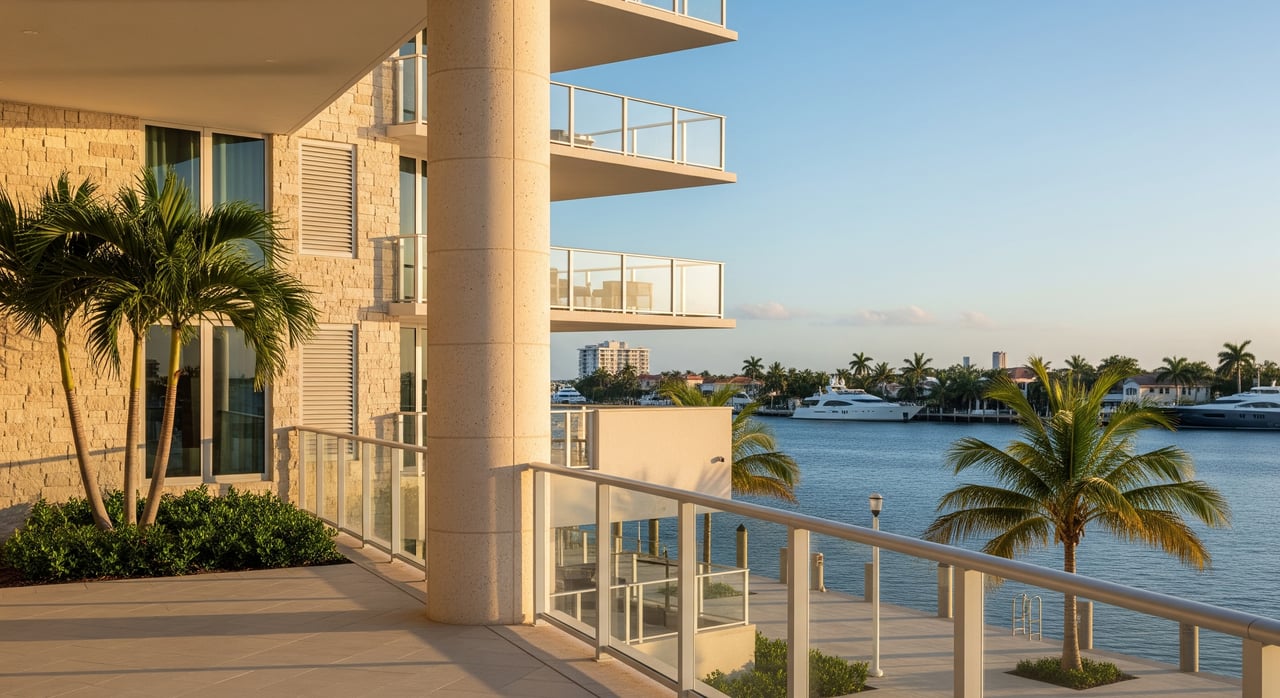
Are you eyeing a condo along Las Olas and wondering what those reserve funds and engineering reports really mean? You are not alone. With older waterfront buildings, salt air, and recent attention on building safety, it pays to understand the health of the association you are buying into. In this guide, you will learn how reserves, inspections, and recertification affect safety, value, and your monthly costs, plus exactly what to request before you commit. Let’s dive in.
Why reserves and inspections matter
Strong reserves and up-to-date inspections protect you from surprise costs and safety issues. Adequate reserves help associations fund big-ticket repairs without frequent special assessments. Clear inspection records and timely recertification give confidence that structural items are monitored and addressed.
In South Florida, insurers and many lenders look closely at a building’s financial health and condition. Underfunded associations or unresolved structural issues can complicate financing and raise insurance costs. In short, reserve strength and inspection history are key signals for long-term value and stability.
What condo reserves cover
A reserve fund is money the association sets aside for major repairs and replacements. Typical items include roofing, elevators, exterior painting and waterproofing, parking garages, and structural elements like balconies and columns. Good reserve planning aims to match expected costs with steady annual contributions.
Two points to focus on when you review documents:
- The most recent reserve study date and whether it includes a site visit.
- The funded ratio, which compares current reserves to the “fully funded” target. Lower ratios can suggest future shortfalls, especially in older, coastal buildings.
Read a reserve study
A quality study inventories major components, estimates their remaining life, and projects replacement costs. It also recommends annual reserve contributions and shows the funded ratio. Studies come in flavors: full studies with site visits, updates with site visits, and desktop updates.
What matters most is recency and realism. If the study shows upcoming concrete restoration or waterproofing with no clear funding plan, plan for possible special assessments. If there is no recent study at all, that is a concern.
Building inspections and recertification basics
Structural and building-system inspections evaluate concrete, waterproofing, exterior envelopes, parking structures, life-safety systems, and more. Licensed Florida engineers typically perform these assessments and prepare formal reports.
After high-profile building failures, Florida and local governments increased scrutiny on older multi-story condos. Timelines and thresholds for official recertification are set at the state and local levels and can change. In Broward County and the City of Fort Lauderdale, confirm the current requirements with the local building division before you rely on a particular schedule.
Inspection outcomes can range from routine maintenance to major structural repair recommendations. Serious findings may require temporary closures or shoring until repairs are complete. Associations may use reserves, operating funds, loans, or special assessments to fund the work.
Local risks in Las Olas
Las Olas and nearby Fort Lauderdale neighborhoods include many mid- and high-rise condos, including older waterfront towers. Salt air and humidity speed up corrosion in rebar and metal components, especially in balconies and garages. Hurricanes and windborne debris stress building envelopes and windows, and damage can trigger code-driven upgrades.
Sea-level rise and flooding put additional pressure on drainage and waterproofing systems. All of this increases the need for vigilant inspections, realistic reserve planning, and timely repairs.
Buyer due diligence checklist
Request these items before you finalize your offer or as contract contingencies:
- Most recent reserve study and any updates, plus current reserve balance and funded ratio.
- Current annual budget and year-to-date financial statements.
- Board meeting minutes for the past 12–24 months.
- Recent structural or engineering reports, any recertification filings, and related repair plans.
- A list of recent and planned special assessments with amounts and timelines.
- The association’s insurance declarations page, including coverage, limits, and deductibles.
- Governing documents: declaration, bylaws, rules, and the association’s reserve policy.
- Any available certificate of no pending violations from the county or city.
- Any pending litigation involving the association.
Key questions to ask
- When was the last full reserve study and when is the next update?
- What is the current funded ratio and what is the target?
- Which major projects are planned and how will they be funded?
- What structural repairs or waterproofing have been done in the last 10 years? Any warranties?
- Has the building had recent engineering inspections or required recertification? Any safety issues identified?
- Are there open code violations or required repairs from local authorities?
Seller prep checklist
If you are listing a unit, prepare a clean package to build buyer confidence:
- Recent reserve study, current reserve balance, and a summary of planned capital projects.
- Clear disclosure of known structural issues, repair plans, and any pending assessments.
- Coordination with the association to provide inspection reports, timelines, and funding plans.
Red flags to watch
- No recent reserve study or missing financial statements.
- Frequent special assessments or a new assessment for structural work in the last 12 months.
- Large capital projects without a defined funding plan.
- Board minutes noting safety concerns or delays in critical repairs.
- Recent code violations, emergency repair notices, or closures.
Cost expectations
Reserve study costs vary by building size and scope. Smaller associations may pay hundreds to a few thousand dollars, while large coastal high-rises can spend more for comprehensive engineering and testing.
Building-wide structural evaluations can range from several thousand to the tens of thousands depending on complexity and invasive testing. Treat these ranges as context rather than targets; the key is whether the scope matches the building’s age, risk, and needs.
Financing and insurance
Insurance markets across South Florida have tightened, and premiums can be higher for older waterfront buildings or those with deferred maintenance. Lenders increasingly review project health and may hesitate if reserves are inadequate or if inspections reveal unresolved structural issues.
This is why thorough documentation and up-to-date reports matter. Strong reserves and proactive maintenance can ease financing, stabilize carrying costs, and support resale value.
Move with confidence
You deserve a clear picture before you buy or sell in Las Olas. With a focus on data, transparency, and high-touch service, Roman Tschannen helps you evaluate association health, interpret reserve and inspection documents, and position your move with confidence. If you want a calm, well-organized process rooted in local expertise and a global perspective, request a private consultation.
FAQs
What are condo reserves and why do they matter in Las Olas?
- Reserves are association funds for major repairs and replacements; in coastal Fort Lauderdale, they help cover concrete, waterproofing, and other big-ticket items without constant special assessments.
How do inspections and recertification affect my purchase?
- Lenders and insurers may require proof of building health; unresolved structural issues or overdue recertification can delay financing and add costs.
What is a good reserve funded ratio for a condo?
- There is no one-size-fits-all target; focus on having a recent reserve study and whether the funded ratio is improving in line with upcoming projects.
Who pays if an inspection finds major repairs after I buy?
- Associations fund common elements through reserves, loans, or special assessments; as an owner after closing, you are typically responsible for your share of any assessment.
What documents should I request before making an offer?
- Ask for the latest reserve study, current budget and financials, board minutes, engineering or recertification reports, insurance declarations, assessment history, and governing documents.
Are older Las Olas buildings riskier to own?
- Older waterfront buildings can face more corrosion and envelope wear; what matters is consistent inspections, timely repairs, and realistic reserve funding to manage those risks.