If you are buying property in Fort Lauderdale from Europe, the appeal is easy to understand. You get a coastal city with sunshine, global air access, boating culture, and a mix of beach, downtown, and waterfront living that feels distinct from other South Florida markets. The challenge is turning that appeal into a smart, well-organized purchase. This guide will help you understand how Fort Lauderdale works, what to prioritize, and how to approach the process with confidence. Let’s dive in.
Why Fort Lauderdale Appeals to European Buyers
Fort Lauderdale offers a lifestyle that fits both second-home buyers and full-time relocations. According to Visit Lauderdale’s city overview, the city has 24 miles of coastline, more than 300 miles of navigable inland waterways, and about 3,000 hours of sunshine each year.
For international buyers, access matters just as much as lifestyle. The same local overview highlights Brightline, Tri-Rail, Water Taxi, the Riverwalk Water Trolley, community shuttles, and the fact that Fort Lauderdale-Hollywood International Airport is about three miles south of downtown. If you plan to split your time between Europe and Florida, that convenience can make ownership much more practical.
Florida also continues to attract a large share of overseas demand. The National Association of Realtors 2025 international transactions report shows Florida remained the top U.S. destination for foreign buyers, accounting for 21% of foreign-buyer purchases. That same report notes a median foreign-buyer purchase price of $494,400 and that 47% of foreign buyers paid cash.
Choosing the Right Fort Lauderdale Lifestyle
A Fort Lauderdale purchase is rarely just about the city itself. In practice, you are choosing a lifestyle pattern within the city: beach condo, Intracoastal or canal-front home, downtown condo, or a quieter residential street.
The city recognizes many neighborhood associations, including Victoria Park, Colee Hammock, Rio Vista, Coral Ridge, Galt Mile, and Harbor Beach. That is a good reminder that Fort Lauderdale is highly localized. A few streets can change the feel, access, and property type significantly.
Beach and waterfront living
If you are drawn to the water first, Fort Lauderdale gives you several ways to live near it. Visit Lauderdale notes that the city offers multiple beach areas with different atmospheres, along with its extensive Intracoastal and canal network.
For many European buyers, the first key question is simple: do you want direct beach access, boating access, or broad water views? A beach condo and a canal-front home can both feel luxurious, but they support very different day-to-day use.
Downtown and walkable urban areas
If you want a more connected, city-centered experience, the areas around Las Olas and downtown deserve attention. Visit Lauderdale’s neighborhood description presents Victoria Park and Colee Hammock as tree-lined, historic, low-traffic areas near downtown and the New River, with Las Olas close by.
Las Olas is described as a corridor of boutiques, galleries, outdoor cafés, and urban conveniences. For buyers who value walkability, dining, and a lock-and-leave style of ownership, this part of the city often becomes a strong fit.
Quieter residential streets
Some buyers want Fort Lauderdale access without being in the center of activity every day. In those cases, quieter inland residential areas can offer a different pace while still keeping you close to beaches, downtown, or waterways.
This is where local guidance matters most. The right choice often comes down to how you plan to use the property, how often you will be in Florida, and whether you prefer convenience, privacy, or boating access.
Property Types European Buyers Often Consider
Fort Lauderdale tends to present four clear buying paths. Each one comes with a different ownership experience, due diligence focus, and lifestyle benefit.
Beach condos
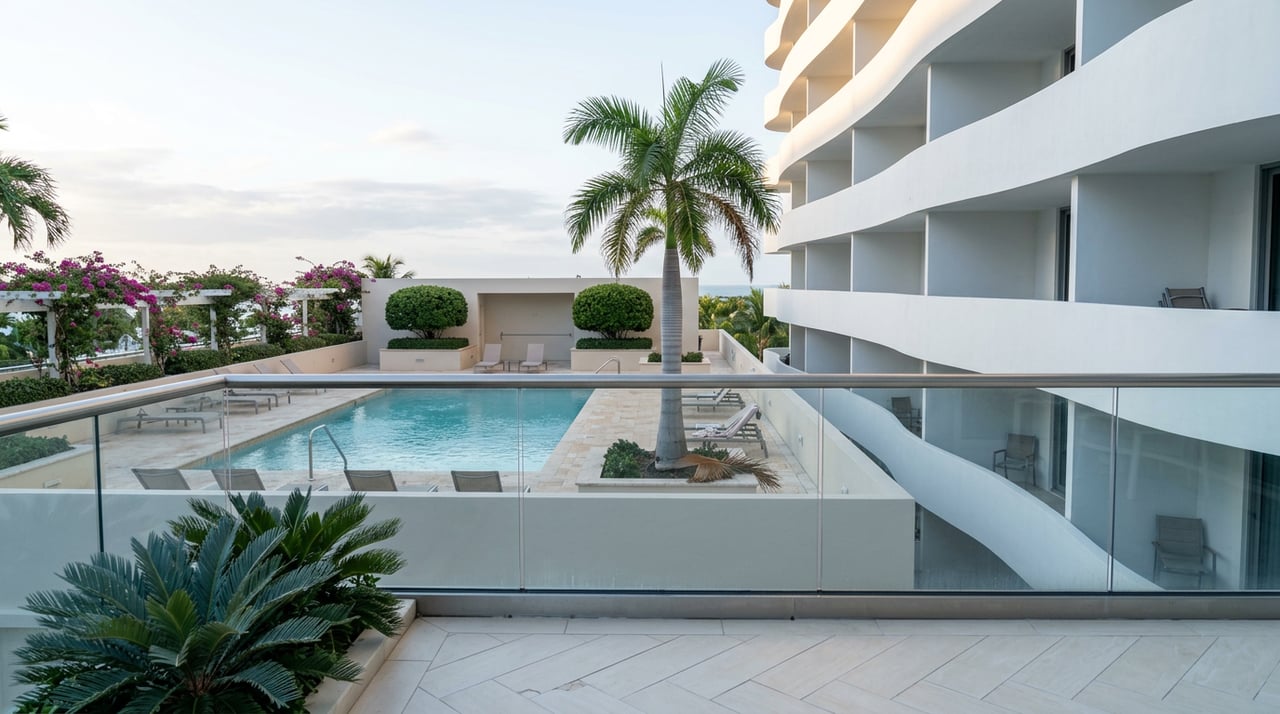
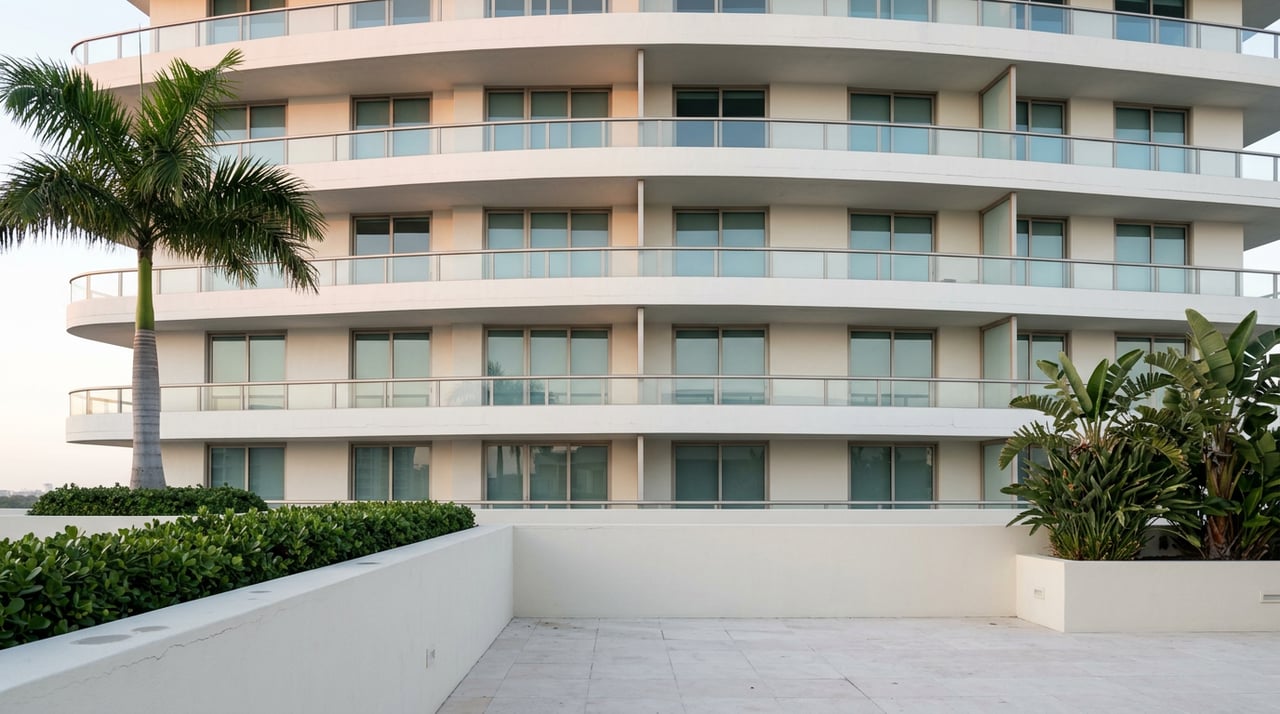
Beach condos often appeal to buyers who want views, amenities, and low-maintenance ownership. They can work well for second-home use, especially if you want easy arrivals and departures.
The tradeoff is that condo ownership involves reviewing association documents, budgets, building rules, and insurance details carefully. In Florida, those items are not secondary paperwork. They are part of the investment decision.
Waterfront and canal-front homes
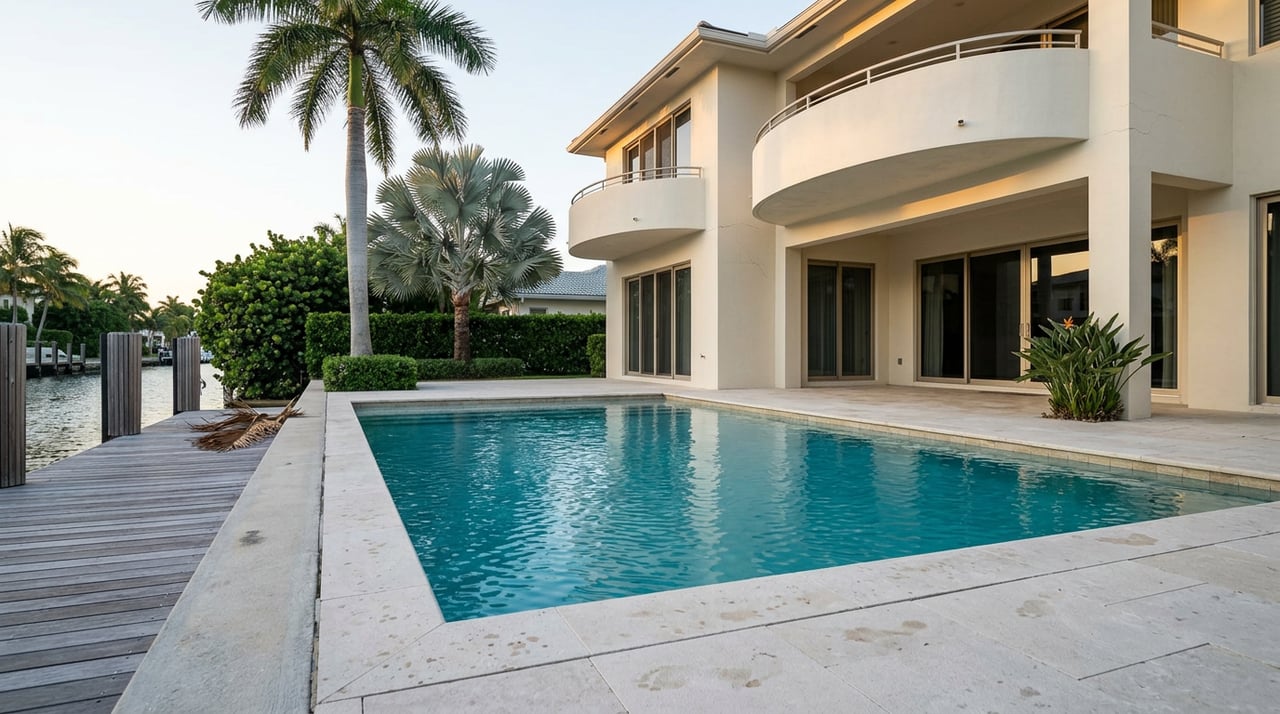
Waterfront homes attract buyers who prioritize privacy, outdoor living, and boating access. In Fort Lauderdale, that can mean direct canal frontage, Intracoastal positioning, or homes that benefit from the city’s extensive waterway network.
These properties usually require more detailed review of insurance, maintenance, and site-specific conditions. If the home is part of a boating lifestyle plan, dock and water access become practical filters from the start.
Downtown condominiums
A downtown condo can suit buyers who want a modern home base with easy access to dining, shops, and transport. This option often works well for people who split time between countries and prefer a simple lock-and-leave setup.
For this type of purchase, building quality, monthly costs, and ownership rules are often just as important as the unit itself. A strong review process helps you compare buildings, not just floor plans.
New development and pre-construction
New development deserves its own category because it is a meaningful part of the South Florida conversation for international buyers. MIAMI REALTORS reported that international buyers purchased 49% of new South Florida construction, pre-construction, and condo-conversion sales over the 18-month period ending in June 2025.
For European buyers, pre-construction can be attractive because of modern design, phased deposits, and early access to inventory. It also requires careful review of timelines, contract structure, and developer documentation before you commit.
How the U.S. Buying Process Typically Works
If you are used to European property systems, the U.S. purchase process may feel familiar in some ways and very different in others. A calm, structured approach helps.
The Consumer Financial Protection Bureau recommends building a network of advisors, comparing more than one lender, and choosing an agent with experience in your neighborhood, price range, and property type. It also recommends getting preapproval before shopping if you plan to finance.
Step 1: Build your advisory team
For many European buyers, the core team includes:
- A buyer’s agent
- A lender, if financing is involved
- A title or settlement agent
- A home inspector
- An insurance agent
- Sometimes an attorney for condo or new-development review
The CFPB also notes that shopping for title insurance and other closing services can save money. That is especially useful when you are managing a cross-border transaction and want clarity on each service provider.
Step 2: Preapproval or proof of funds
If you are financing, preapproval helps define your buying range and strengthens your offer. If you are paying cash, proof of funds is usually part of the offer package.
This matters in Florida, where international and luxury activity is common. Strong preparation helps you move quickly when the right property appears.
Step 3: Offer, inspection, and underwriting
After your offer is accepted, the CFPB closing guidance says you should schedule a home inspection, shop for homeowner’s and title insurance, and respond quickly to lender requests. If you are borrowing, lenders generally require an appraisal.
In practical terms, financed purchases usually take several weeks because underwriting, title work, insurance, and condo document review need to align. The same CFPB guidance indicates that the Closing Disclosure must be delivered at least three business days before closing.
Step 4: Closing and final funds
The CFPB explains that closings can sometimes be completed by mail or online, depending on the transaction. That can be helpful if you are overseas at the time of closing.
The same source notes that typical closing costs are often about 2% to 5% of the purchase price, excluding your down payment. Knowing that range early can help you budget more accurately.
Condo Due Diligence Matters in Florida
If you are buying a condo, document review is a major part of the decision. Florida’s Department of Business and Professional Regulation condo FAQs state that associations with 25 or more units must post key records online, including declarations, bylaws, rules, board minutes, budgets, financial reports, contracts, and inspection reports.
DBPR also explains milestone inspections and structural integrity reserve studies for certain buildings. For you as a buyer, that means the association’s financial health, governance, and building condition deserve the same level of attention as the unit’s finishes and view.
This is one area where a detail-oriented advisor can make a real difference. The goal is not just to find an attractive condo, but to understand the building behind it.
Insurance Questions to Address Early
Insurance should be discussed early in any Fort Lauderdale purchase. According to Florida’s Homeowners Insurance Consumer Guide, homeowners policies generally cover windstorm, hurricane, and hail, and most lenders require windstorm coverage when there is a mortgage.
The same guide also notes that most homeowners policies exclude flood damage. FEMA guidance referenced in Florida’s insurance materials explains that flood insurance is separate and required in high-risk flood areas for government-backed mortgages, and that NFIP policies usually carry a 30-day waiting period.
If you are purchasing a condo, the Florida guide notes that an HO-6 policy covers a unit owner’s personal property and certain interior items not covered by the association policy. In simple terms, condo buyers should understand what the building insures and what the unit owner must insure separately.
Cross-Border Details European Buyers Should Expect
Cross-border transactions are easier when expectations are set early. The CFPB notes that lenders may consider residency and immigration status, but not national origin. For international buyers, that can provide useful clarity as financing options are explored.
There is also a practical issue around fraud prevention. The CFPB’s warning about mortgage closing scams explains that scammers often target buyers in the days before closing, especially around wire instructions. Any transfer instructions should be verified through trusted contacts before funds are sent.
Time zones, document logistics, and process differences also matter. Because closings may sometimes be handled remotely, a bilingual advisor can add value by helping coordinate timelines, explain U.S. norms clearly, and keep communication efficient from offer to closing.
What a Smart Search Looks Like
The strongest Fort Lauderdale search usually starts with a short list of priorities, not a long list of listings. Before touring properties, it helps to define:
- Whether the home is for seasonal use, relocation, or investment hold
- Whether you prefer beach access, boating access, or downtown walkability
- Whether you want a condo, single-family home, or new development
- Whether you will finance or pay cash
- How much due diligence complexity you are comfortable managing
Once those points are clear, the market becomes easier to read. Instead of searching Fort Lauderdale broadly, you can focus on the property type and location pattern that truly matches your goals.
A More Organized Way to Buy in Fort Lauderdale
For European buyers, Fort Lauderdale can offer a rare combination of waterfront lifestyle, international accessibility, and diverse ownership options. The key is approaching the market with a clear strategy, the right local filters, and a team that understands both the city and the cross-border process.
If you want discreet, bilingual guidance on beach condos, waterfront homes, or new-development opportunities in Fort Lauderdale, Roman Tschannen offers a private, highly personalized approach built for international buyers.
FAQs
What makes Fort Lauderdale attractive for European property buyers?
- Fort Lauderdale offers 24 miles of coastline, more than 300 miles of navigable inland waterways, strong transport links, and easy airport access, which can work well for both second-home and relocation buyers.
What Fort Lauderdale areas should European buyers compare first?
- Many buyers start by comparing beach areas, Intracoastal or canal-front locations, downtown and Las Olas-adjacent areas, and quieter inland residential streets based on how they want to live.
What should European buyers know about the Fort Lauderdale condo purchase process?
- Condo buyers should review association records, budgets, rules, financial reports, and inspection-related documents carefully because Florida condo due diligence is a major part of the purchase decision.
What insurance should buyers expect for Fort Lauderdale property?
- Buyers should review windstorm, hurricane, hail, and flood exposure early, and condo buyers should also understand what an HO-6 policy covers versus what the association insures.
Can European buyers close on Fort Lauderdale property remotely?
- In some transactions, closings can be handled by mail or online, depending on the deal structure, which can make remote closing possible for overseas buyers.
What closing costs should European buyers budget for in Fort Lauderdale?
- CFPB guidance says typical closing costs are often about 2% to 5% of the purchase price, excluding the down payment.