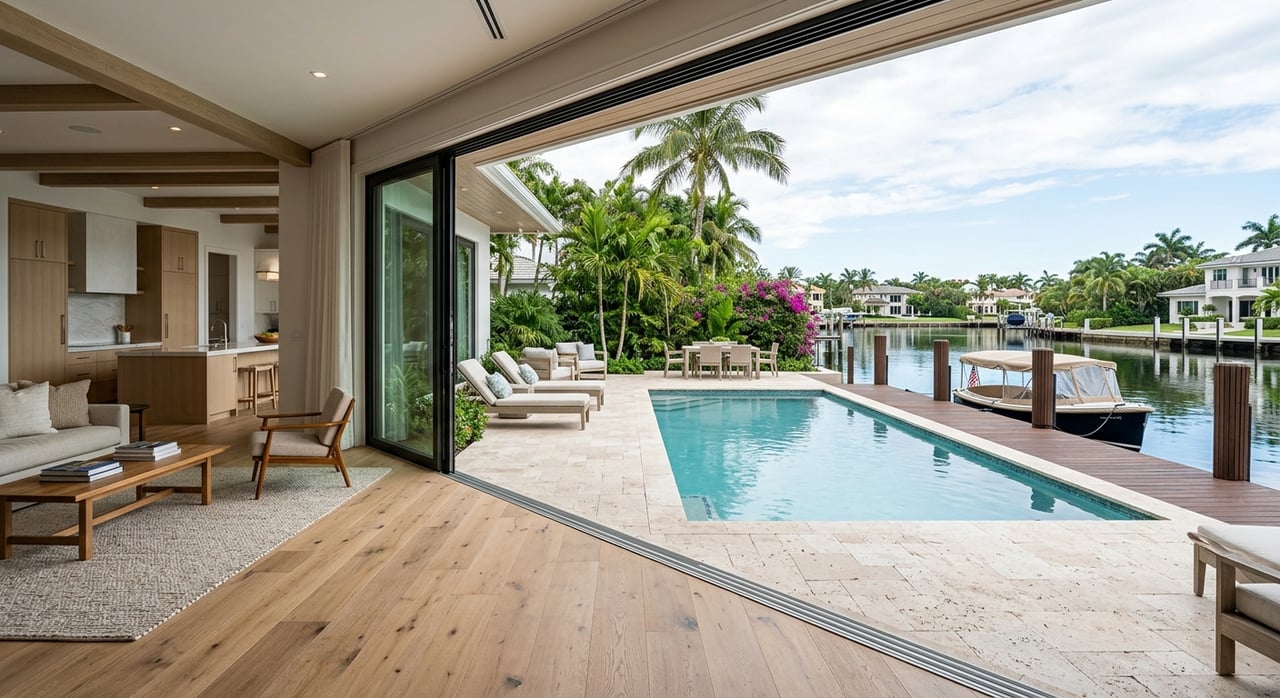
If you are shopping Las Olas Isles for a waterfront home, the address alone does not tell you enough. In this part of Fort Lauderdale, two homes can share the same prestige and still offer very different boating practicality because canal depth, dockage setup, and bridge timing can vary by street. If you want to buy with fewer surprises, it helps to understand how these moving parts shape daily use before you make an offer. Let’s dive in.
Why Las Olas Isles Is Not One Waterfront Product
Las Olas Isles works best as a collection of waterfront streets and canal pockets, not as one uniform boating neighborhood. City updates identify a broad set of streets tied to the area, including Mola Avenue, Isle of Capri Drive, Bontona Avenue, Lido Drive, San Marco Drive, Coral Way, Royal Plaza Drive, Isle of Palms Drive, Coconut Isle Drive, South Gordon Road, Hendricks Isle, Isle of Venice, Fiesta Way, and Nurmi Drive.
That matters because listings often emphasize the street name more than the neighborhood label. When you compare homes here, you are really comparing canal geometry, access patterns, and dock conditions street by street. In practice, that means one block may suit a different class of boat than the next.
The city also groups Las Olas Isles within a larger Southeast Isles waterfront system that includes areas such as Seven Isles, Venice Isles, Nurmi Isles, Idlewyld, Sunrise Key, Navarro Isles, Riviera Isles, Rio Vista, Lauderdale Harbors, Harbordale, and Harbor Beach. For you as a buyer, that is a useful reminder that the search should stay flexible. Sometimes the right boating fit sits just outside the neighborhood name you started with.
How Canal Depth Shapes Your Choices
Canal depth is one of the first filters for any waterfront purchase, but in Las Olas Isles it should never be treated as a neighborhood-wide number. A published street-by-street market guide shows meaningful variation, with some streets around 5 feet plus, many central streets around 6 to 8 feet plus, and select pockets closer to 8 to 10 feet plus.
Based on that guide, Mola Avenue, Gordon Road, Hendricks Isle, and Bontona Avenue tend to be on the shallower side at about 5 feet plus. Coral Way, Royal Plaza Drive, Lido Drive, San Marco Drive, and Isle of Palms often fall into the 6 to 8 feet plus range. Nurmi Drive, Royal Palm Drive, Fiesta Way, and some nearby Seven Isles waterways show stronger published depth figures in the 8 to 10 feet plus range.
That pattern suggests Las Olas Isles is highly usable for many boats, but not equally suited to every vessel size. Smaller runabouts and many mid-size cruisers can work across more of the system. Larger motor yachts are more likely to favor the deeper and wider pockets where published depth guidance is stronger.
Which Streets May Suit Larger Yachts
If your priority is a larger yacht, the published street pattern points you toward the deeper-water pockets first. In this area, Nurmi Drive and Fiesta Way stand out in the guide for stronger depth ranges, and some nearby Seven Isles waterways may also deserve close attention during your search.
That does not mean every home on those streets will automatically fit your boat. Dock length, beam, turning room, seawall layout, and the exact path from the Intracoastal still matter. It does mean those locations may deserve priority if draft and maneuverability are high on your list.
Many central Las Olas Isles streets may still work well for a substantial vessel, especially if your draft is moderate and your captain is comfortable with tighter geometry. But if you are trying to reduce compromise, it is smart to start with the streets that show deeper published numbers rather than assume all canal-front inventory offers the same boating profile.
Canal Width Matters Too
Depth gets most of the attention, but width can be just as important when you live with a boat full time. The same published guide shows many Las Olas Isles canals often in the 85 to 100 feet plus range, with wider northern stretches in some areas.
For you, width affects more than docking comfort. It can shape how easily you back in, how much room you have to pivot, and how stressful departures feel on windier days. A home that looks ideal on paper may feel less convenient if the canal is narrow for your beam and handling style.
Why Bridge Timing Can Matter More Than Depth
A common mistake is to focus only on whether your boat can physically fit. In reality, bridge schedules can have as much impact on your daily lifestyle as canal depth, especially if you plan to use your boat often.
NOAA Coast Pilot lists the Las Olas Boulevard bridge with a reported center clearance of 24 feet and notes that the draw opens on the quarter-hour and three-quarter hour. The SE 17th Street bridge is listed with an authorized center clearance of 55 feet and an opening schedule on the hour and half-hour, with special event exceptions noted for boat-show weekends.
If you have a taller vessel, the issue is not just clearance. It is also whether you are comfortable planning departures around bridge openings, possible waits, and event-related restrictions. For many buyers, that routine becomes the real dividing line between a fun boating lifestyle and an inconvenient one.
Bridge Timing vs. Canal Depth
If you are weighing which factor matters more, the answer depends on how you use your boat. If your vessel has deeper draft, canal depth is the hard filter because no amount of schedule flexibility solves inadequate water depth. If your vessel has more air draft or you plan frequent outings, bridge timing may shape your daily experience even more.
A practical way to think about it is this:
- Depth decides whether a property can work at all.
- Width and route geometry decide how easy it feels to navigate.
- Bridge timing decides how convenient ownership feels week to week.
For many Las Olas Isles buyers, bridge timing is the lifestyle issue they remember most after closing. Waiting on a schedule may be perfectly acceptable for occasional use. It may feel very different if you want spontaneous trips.
Why Depth Is Not a Fixed Number
Another key point is that canal depth is not static. The City of Fort Lauderdale has said it is surveying city canals to estimate dredging needs, and its capital planning includes drainage canal dredging funding.
That tells you two things. First, a street reputation from a past sale may no longer be enough for current decision-making. Second, future maintenance or shoreline work can change conditions over time, which is why up-to-date verification matters so much before you close.
NOAA states that electronic navigational charts are its primary nautical chart product. That makes current chart review an important part of due diligence for draft, channel position, and under-keel clearance, especially when you are evaluating a specific boat for a specific property.
What to Check Before Closing
If boating access is central to your purchase, your pre-closing review should go well beyond a standard home showing. You want current, property-specific information that reflects the boat you plan to keep there.
Here is a practical checklist to review before closing:
- Current marine survey and tide-aware depth measurement at and approaching the dock
- Dock dimensions and layout for your boat’s length, beam, and boarding needs
- Turning room and canal width for backing and maneuvering
- Bridge clearances and opening schedules along your route
- Current NOAA chart review for route position and under-keel clearance
- Seawall condition and whether repairs or upgrades may be needed
- Dock permitting limits if you plan modifications or expansion
- Flood exposure and flood insurance considerations tied to the property
- Any active or planned public shoreline or canal work that could affect access
This level of review is especially important in a street-by-street waterfront market like Las Olas Isles. The right house for your lifestyle is not always the one with the biggest marketing photos. It is the one where the boating logistics work cleanly in real life.
Dockage Is a Regulated Feature
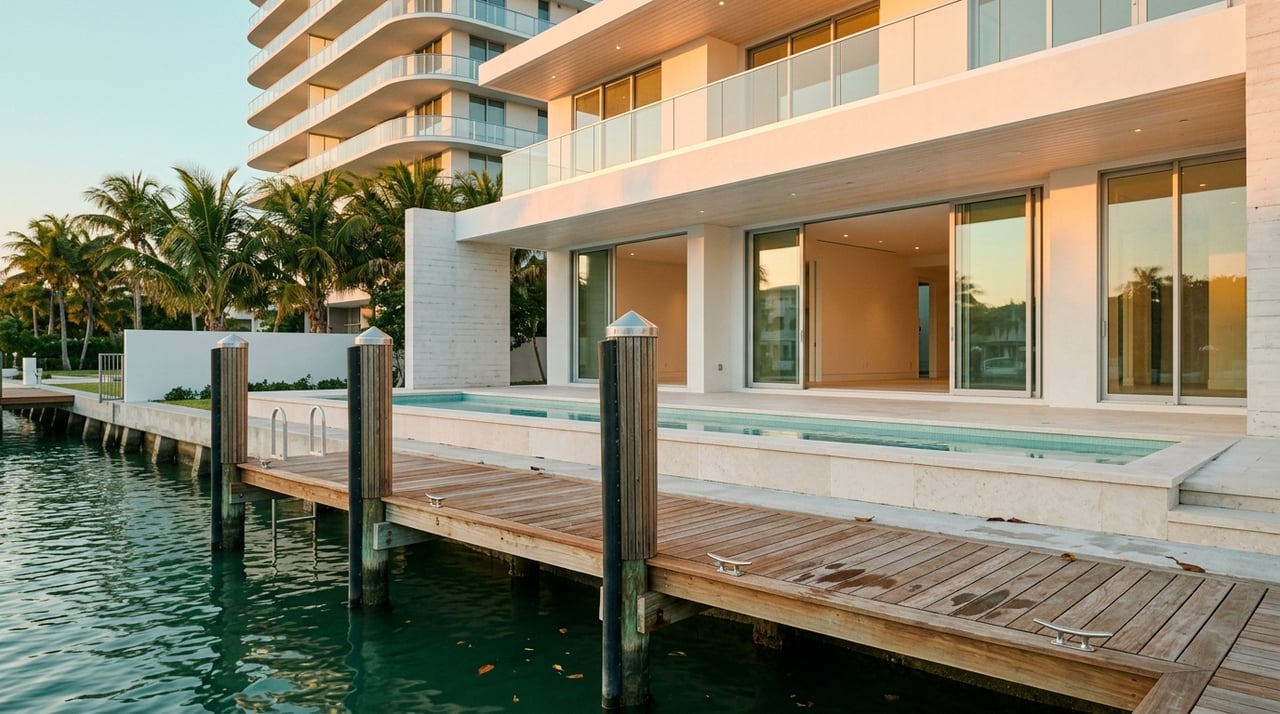
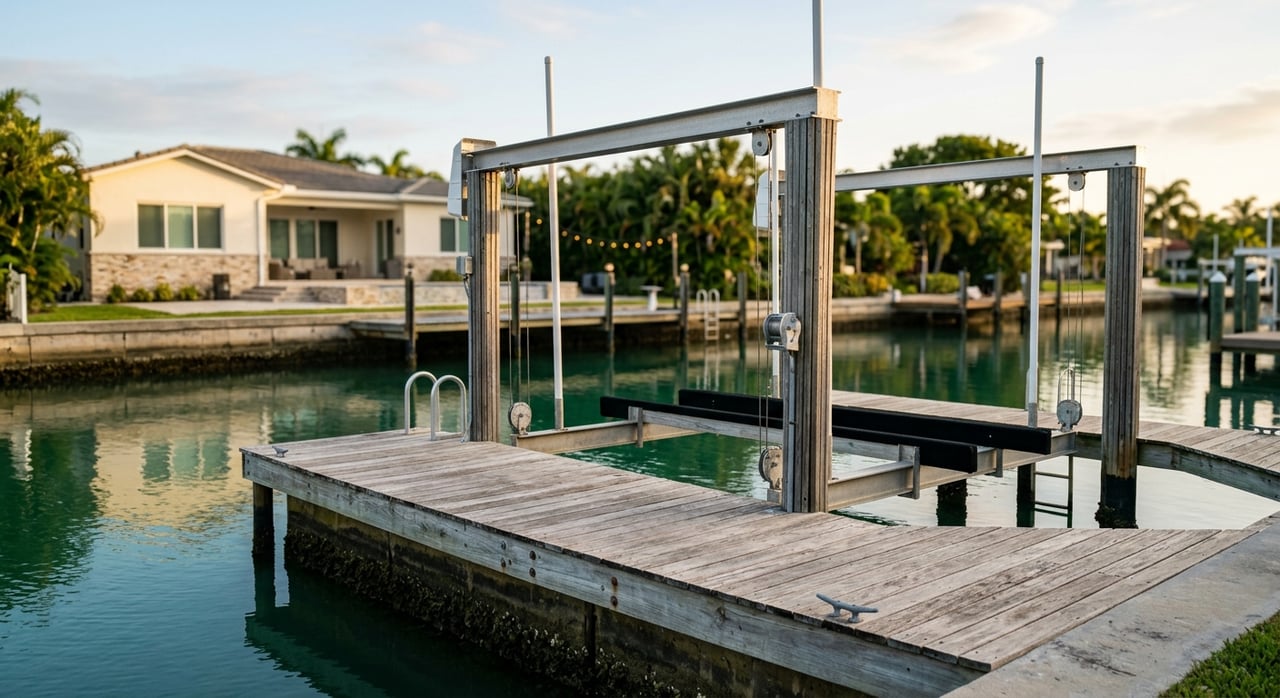
In Florida, dockage is not just a convenience item. Florida DEP guidance says the qualifying general permit for a private single-family dock is capped at 2,000 square feet of over-water area and designed for no more than two vessels, with related standards under Rule 62-330.427.
For you as a buyer, that means existing dockage should be evaluated as part of the legal and physical property package. If you are hoping to reconfigure a dock, add lifts, or change the setup after closing, the permitting framework needs to be part of the conversation early.
Seawalls, Flood Risk, and Waterfront Upkeep
The waterfront edge deserves just as much attention as the water itself. Broward County’s regional seawall standard includes the Las Olas Isles area as a tidally influenced coastal area and sets a 5-foot NAVD88 minimum for new or substantially repaired tidal flood barriers.
This matters because seawall upgrades can affect budget, timing, and even future usability of the property. City seawall work along Las Olas Boulevard between several isle segments has also shown that shoreline projects can temporarily affect adjacent canal access, including documented temporary boat removal during sheet-pile work.
The City of Fort Lauderdale also notes that many residents live in or near Special Flood Hazard Areas and that flood insurance is separate from standard homeowners coverage. When you evaluate a waterfront home, it is wise to look at dockage, seawall condition, flood exposure, and insurance costs as one combined ownership picture.
Nearby Alternatives to Compare
Sometimes the best result comes from widening the map slightly. A published comparison guide suggests Harbor Beach tends to have deeper canals than Las Olas Isles, while Rio Vista and Lauderdale Harbor tend to be shallower.
That makes Harbor Beach a logical alternative if your top goal is deeper water or a more accommodating setup for a larger yacht. Rio Vista and Lauderdale Harbor may still appeal for other reasons, but if draft is your first priority, they may require more selective screening.
Seven Isles is also worth including in your search because some of its waterways show stronger published depth ranges. For a buyer who wants fewer compromises, comparing Las Olas Isles with Harbor Beach and select Seven Isles streets can produce a clearer sense of value and fit.
A Smarter Way to Shop Las Olas Isles
The best Las Olas Isles purchase is rarely found by searching only for a beautiful waterfront facade. It is found by matching your boat, your usage pattern, and your tolerance for bridge timing to the exact street and canal segment.
That is where disciplined, hyperlocal analysis matters. In a market with this much block-by-block variation, a polished listing presentation is only the beginning. What protects your decision is a careful read of depth patterns, route constraints, dock setup, seawall condition, and the practical rhythm of getting out on the water.
If you want a discreet, data-led review of waterfront options in Fort Lauderdale, Roman Tschannen can help you compare Las Olas Isles with the right nearby alternatives and narrow the search to homes that truly fit your boating lifestyle.
FAQs
Which Las Olas Isles streets are most likely to suit larger yachts?
- Based on published market guidance, Nurmi Drive and Fiesta Way, along with some nearby Seven Isles waterways, tend to show stronger depth ranges and may be better starting points for larger yachts.
How important is bridge timing for a Las Olas Isles waterfront home?
- Bridge timing can be just as important as canal depth because regular waits, opening schedules, and event restrictions may affect how easy and spontaneous your boating routine feels.
What should you verify on a current survey before buying in Las Olas Isles?
- You should verify current depth at and approaching the dock, tide-related conditions, dock dimensions, turning room, seawall condition, and the route constraints between the property and open water.
Are canal depths in Las Olas Isles official fixed numbers?
- No. Published street depth ranges are useful as market guidance, but buyers should confirm current conditions with updated marine review because canal maintenance and dredging needs can change conditions over time.
What dock rules matter for a single-family waterfront home in Florida?
- Florida DEP guidance says a qualifying general permit for a private single-family dock is capped at 2,000 square feet of over-water area and intended for no more than two vessels.
Which nearby Fort Lauderdale areas should you compare if you want deeper water?
- Harbor Beach and select Seven Isles streets are important nearby comparisons if deeper water or fewer boating compromises are high priorities.